Tinytots Team
06.03.2026
1. What Exactly Are Fundamental Movement Skills?
Fundamental Movement Skills are the foundational motor patterns every human needs before they can successfully play sports or move efficiently. Experts group them into three categories:
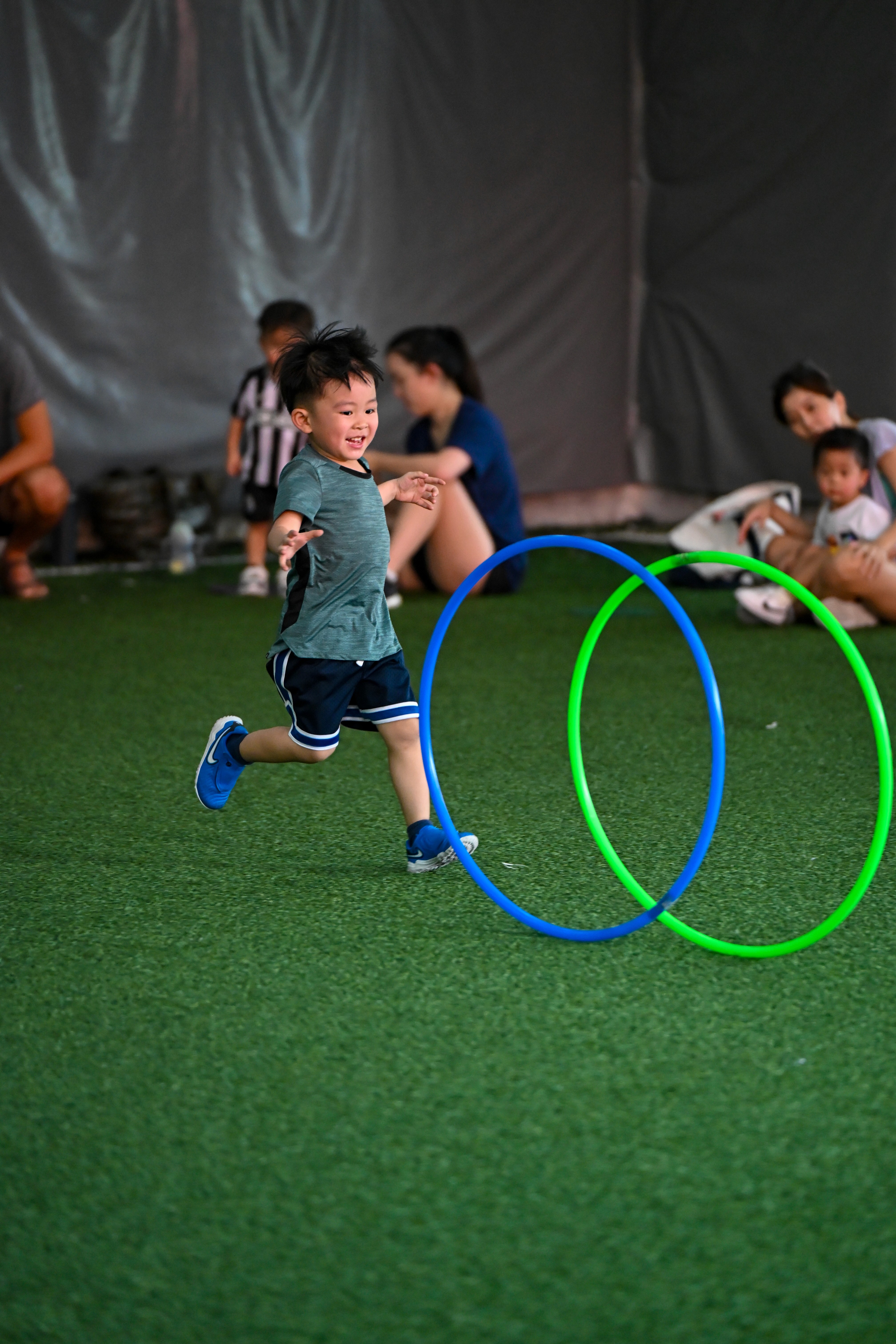
Locomotor skills – running, hopping, galloping, skipping, leaping, dodging
Stability skills – static and dynamic balance, twisting, turning, landing
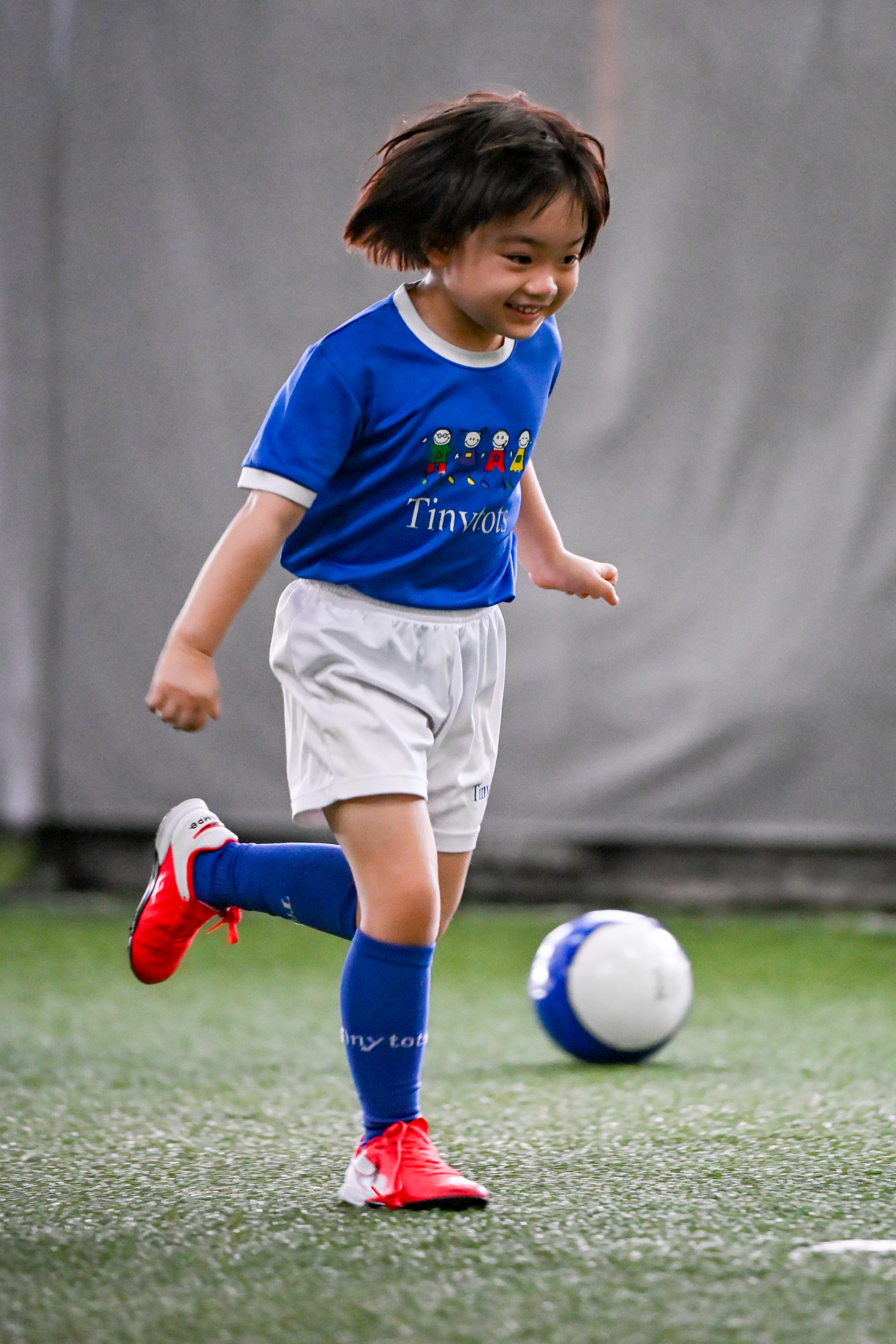
Manipulative skills – throwing, catching, kicking, striking, underarm rolling, dribbling
Research from the Australian Institute of Sport, SHAPE America, and the UK’s Youth Sport Trust all agree: children who achieve proficiency (not just exposure) in these 12–15 skills by age 6–7 are significantly more likely to be active adolescents and adults.
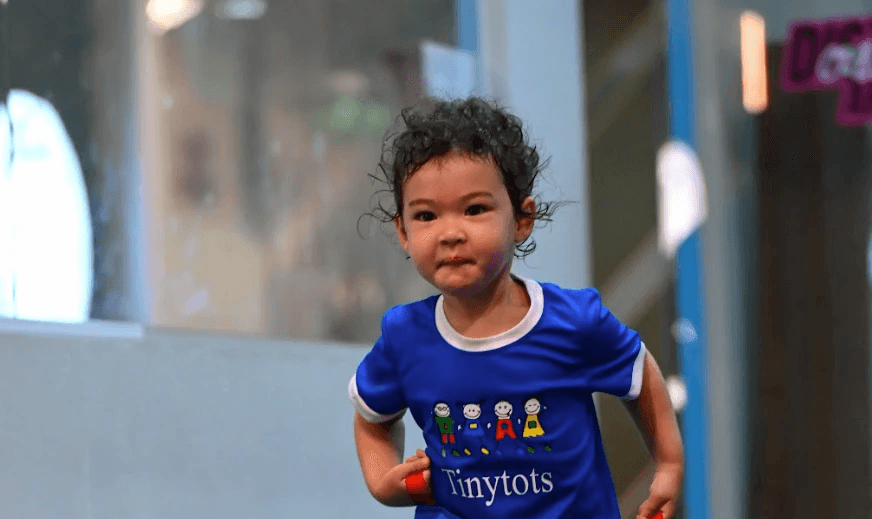
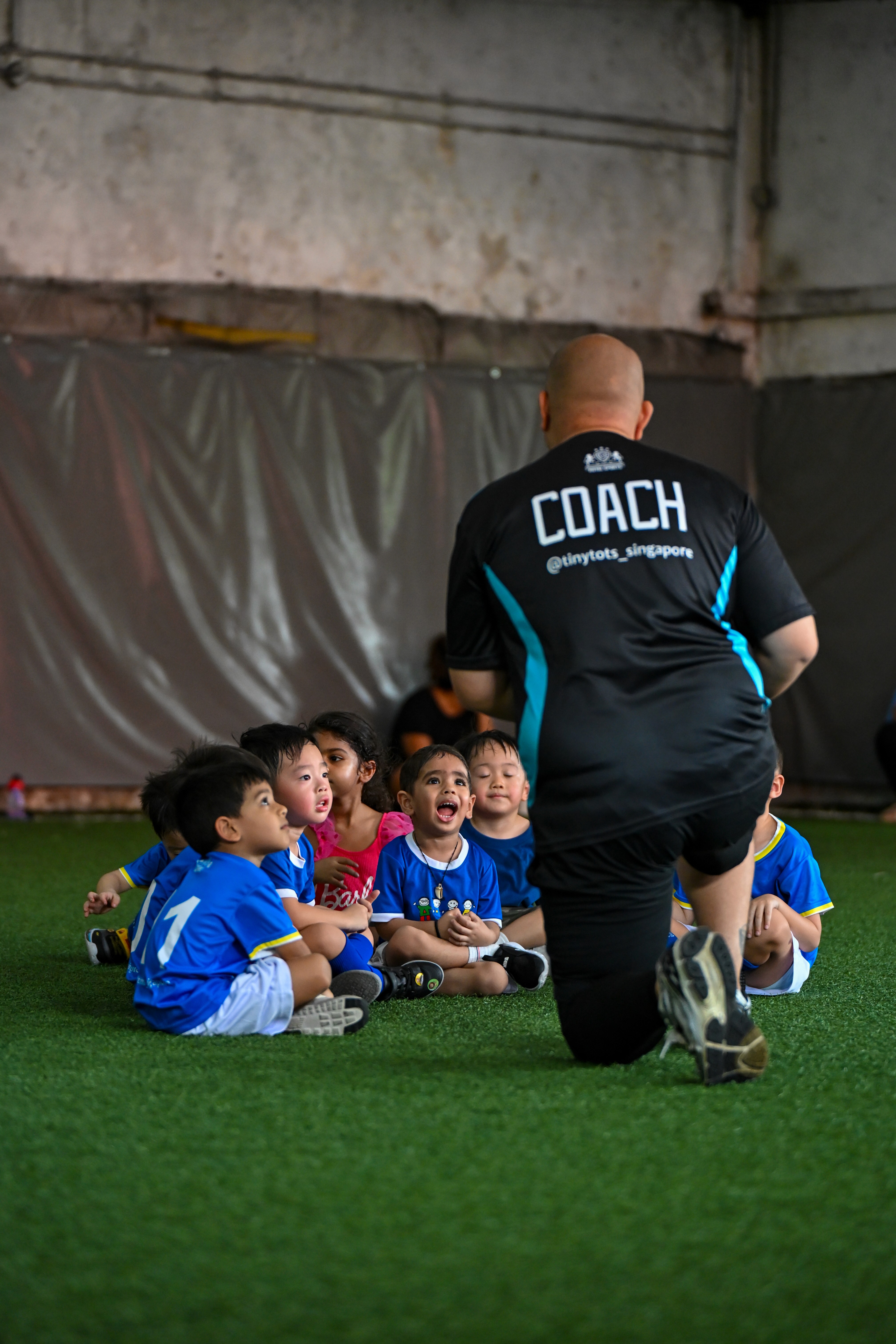
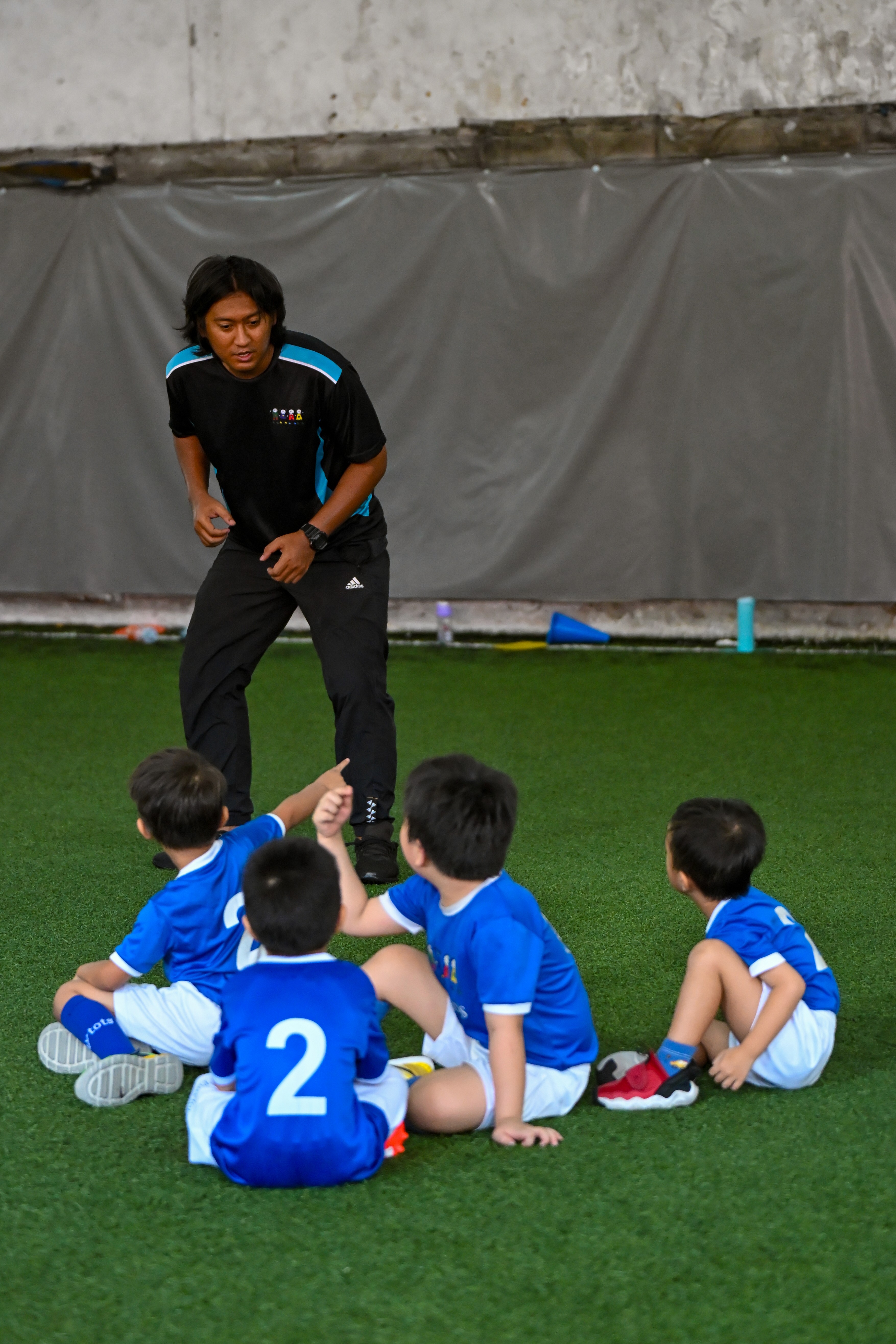
At Tinytots, every class is engineered around deliberate practice of these exact skills — never random play.
2. The Critical Window: Why Ages 3–6 Are Non-Negotiable
Neuroplasticity is the brain’s ability to rewire itself, is at its lifetime peak between 3 and 6 years. During this period:
The cerebellum (responsible for timing, balance, and smooth execution) grows faster than almost any other brain region
Myelination of motor pathways accelerates, making movements faster and more automatic
Synaptic pruning is still minimal, so every successful jump, catch, or dodge literally carves stronger neural circuits
Studies published in Journal of Motor Learning and Development (2021–2024) show that children who reach FMS proficiency before age 7 have:
60–80 % higher chance of meeting WHO physical-activity guidelines at age 12
Better executive function (planning, inhibition, working memory)
Higher self-esteem and resilience in sport settings
Miss this window and the brain can still learn — but it requires far more repetition and effort later.
3. How Movement Rewires the Preschool Brain
Every time your child attempts a jump or throw, multiple brain regions light up simultaneously:
Motor cortex → plans and executes the movement
Somatosensory cortex → processes feedback from muscles and skin
Cerebellum → fine-tunes timing and error correction in milliseconds
Prefrontal cortex → sequences the skill and inhibits impulsive errors
Basal ganglia → automates the pattern with practice
Add cross-lateral movements (e.g., opposite hand–opposite foot actions in galloping or skipping) and you stimulate the corpus callosum — the highway between left and right hemispheres. The result? Better bilateral integration, improved reading readiness, and enhanced cognitive flexibility.
Meanwhile, the vestibular system in the inner ear matures rapidly through swinging, rolling, and spinning activities. A well-developed vestibular system is directly linked to postural control, ocular-motor skills, and even handwriting later on.
Active play also triggers a cocktail of neurochemicals:
Dopamine – reinforces the “I did it!” feeling
BDNF (Brain-Derived Neurotrophic Factor) – acts like fertiliser for new synapses
Endorphins & serotonin – regulate mood and reduce anxiety
In short: a child who moves well doesn’t just have a stronger body, they have a happier, smarter, more resilient brain.
4. Proprioception, Confidence, and the Fear-of-Falling Barrier
Proprioception is the body’s internal GPS and develops when children climb, hang, crawl, and push/pull against resistance. Muscle spindles and Golgi tendon organs send constant data to the parietal cortex, building an accurate “body map”.
Children with strong proprioceptive feedback:
Fall less often
Recover balance faster
Attempt new challenges with less fear
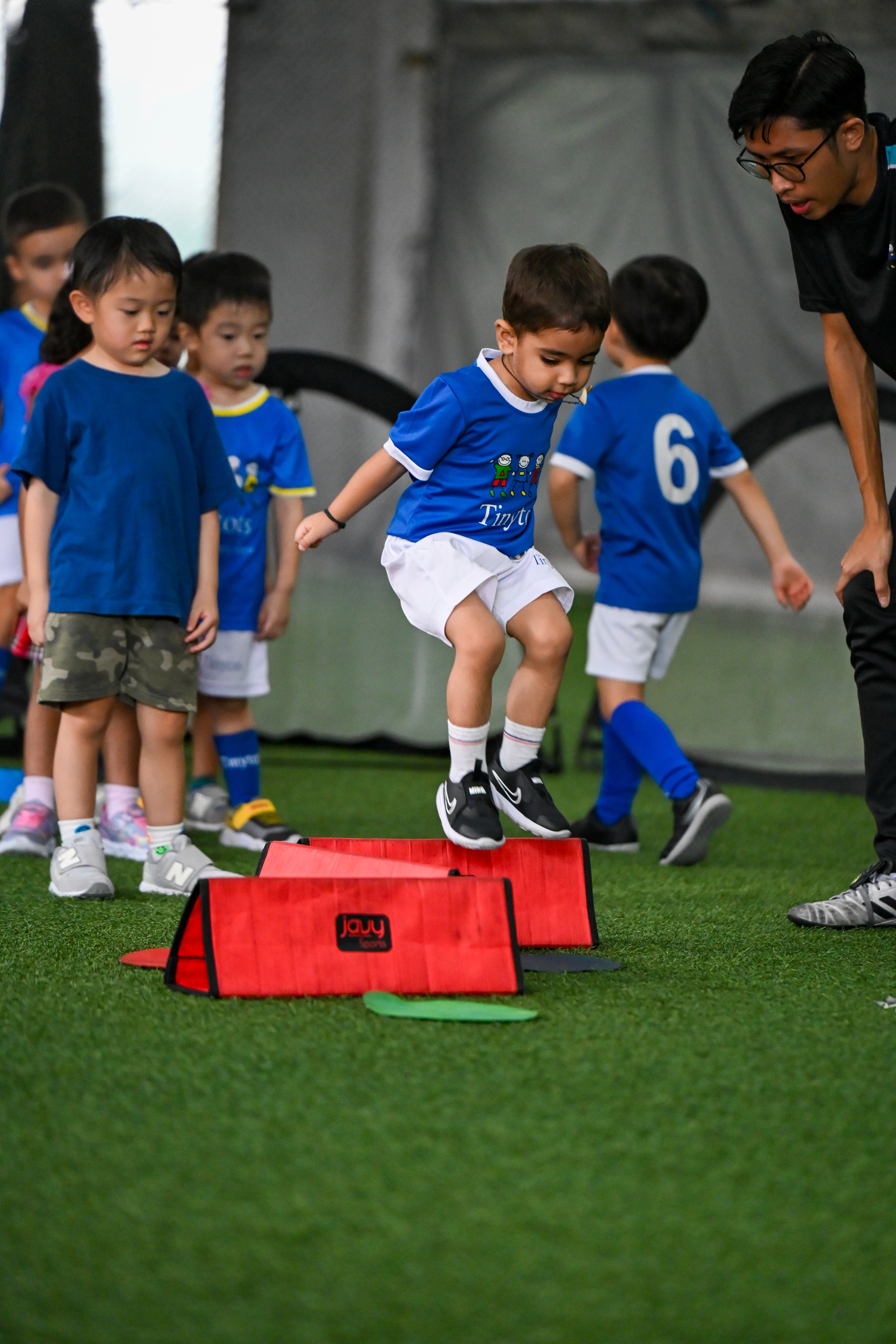
This is why Tinytots classes are packed with balance beams, and obstacle courses. Every successful crossing of a wobbly bridge is a deposit in your child’s confidence bank.
5. From Proficiency to Lifelong Physical Literacy
Canadian researcher Dr. Dean Kriellaars defines physical literacy as “the motivation, confidence, physical competence, knowledge and understanding to value and take responsibility for engagement in physical activities for life.”
The pathway is clear:
FMS proficiency (ages 3–6) → Confidence & enjoyment → Voluntary participation in sport & play → Active adolescence → Healthy adulthood.
The opposite pathway is equally clear: poor FMS → early frustration → withdrawal from movement → sedentary habits → increased risk of obesity, anxiety, and chronic disease.
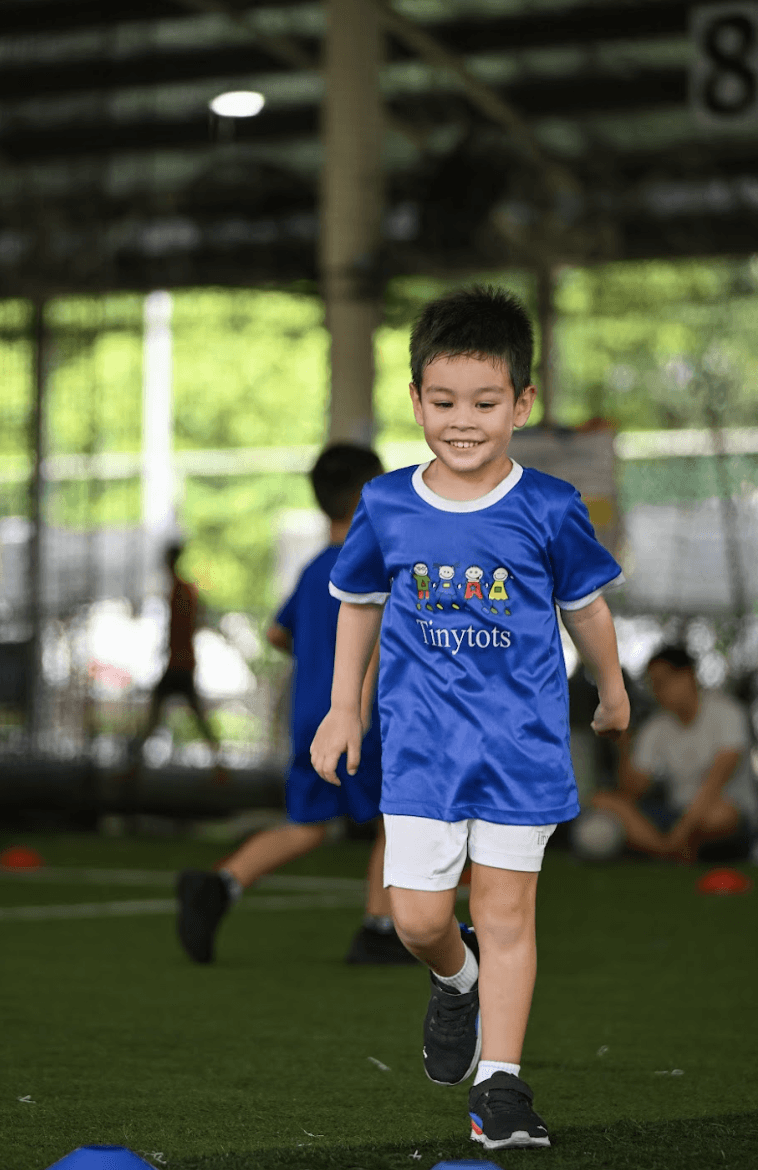
At Tinytots, we see the difference every week. A four-year-old who masters an accurate underarm throw or a stable single-leg balance beams with pride — and asks to do it again. That internal reward loop is priceless.
Join the Movement That Matters
Whether through our in-preschool FMS curriculum (delivered island-wide) or our weekend soccer and gymnastics classes in fully sheltered venues, Tinytots is Singapore’s trusted partner for evidence-based motor development.
At Tinytots, we believe every child deserves a strong, joyful start in movement. Our expertly designed Fundamental Movement Skills (FMS) programmes, together with weekend soccer and gym classes at sheltered venues, help preschoolers across Singapore build confidence, coordination, and a lifelong love for sports — all in a fun and safe environment.
Every session is:
Age- and stage-appropriate
Deliberately sequenced for progression
Packed with joy, encouragement, and just the right amount of challenge
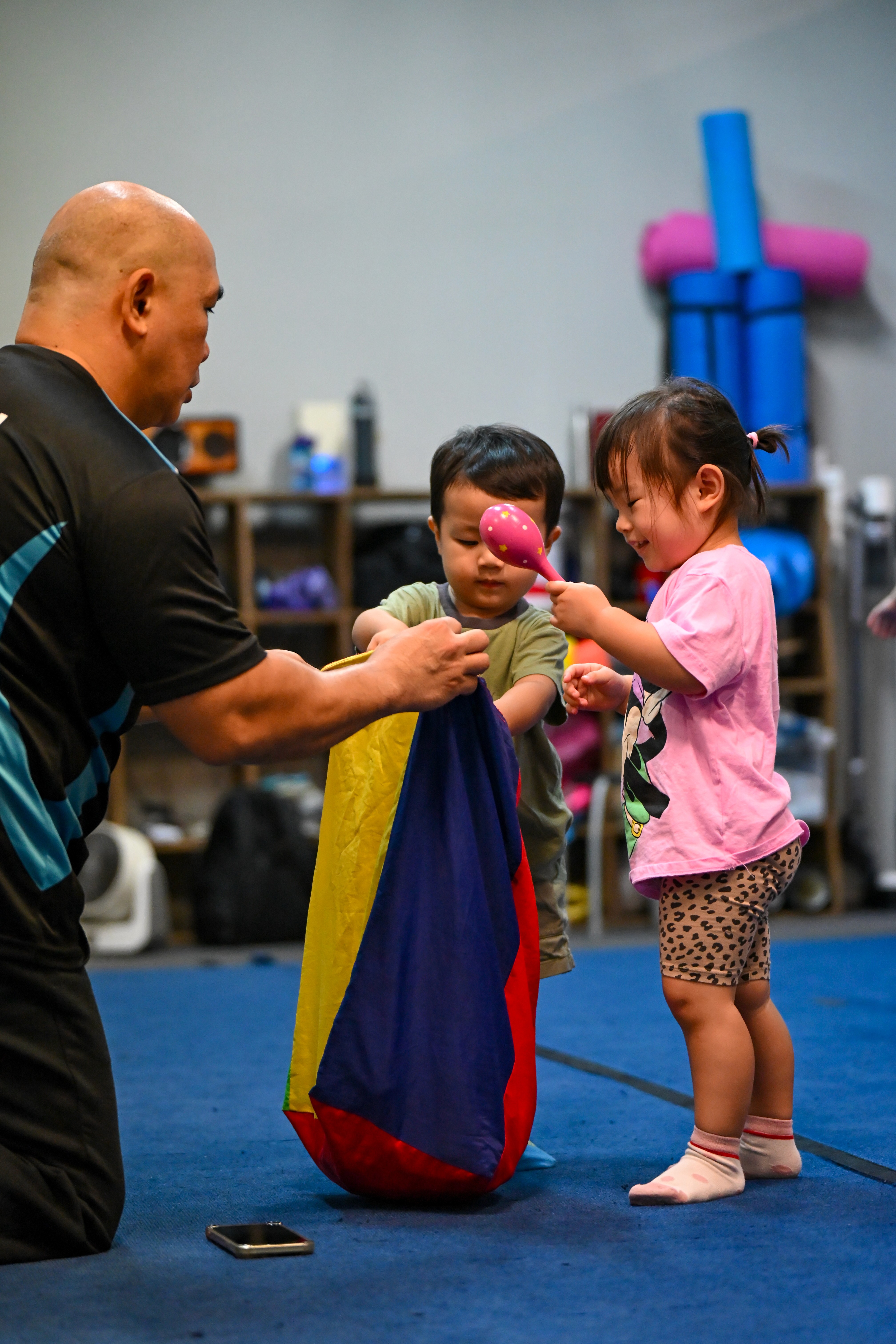
Inclusive, adaptive equipment and coaching available for children with different needs
Give your child the science-backed advantage they deserve.
Enrol today at www.tinytots.com.sg and watch them move, think, and smile bigger.
Because the best time to build a lifelong love of movement was yesterday.
The second-best time is now.


Stay Connected with Starlight Camp
We care about your data in our privacy policy
Share now: