Tinytots Team
06.03.2026

Introduction: The Digital Dilemma for Preschoolers
Today, parents of 3-5-year-olds face a challenging decision: how to balance screen time with active play. Digital devices can be educational and convenient for busy families, yet they often detract from essential physical activities that build foundational movement skills. Studies indicate that preschoolers now spend more time on screens than ever before, frequently exceeding expert recommendations, while opportunities for active play diminish. This trend raises concerns about their long-term development, as these formative years are crucial for physical, mental, and social growth. Balancing this isn't about eliminating technology but about integrating more movement while still allowing valuable digital experiences.
Note :- Every Saturday morning from 9:00–10:00am at New Charis, we host a free play session where parents are invited to come and play with their children at no cost. It’s our way of giving back to the community and creating meaningful moments together.
Understanding Screen Time: Benefits and Limitations
Digital media can facilitate learning through apps and new ideas for preschoolers, but it's essential to recognize its limitations. The American Academy of Pediatrics advises that children under 2 should avoid screen time, except for video calls, and those aged 2 to 5 should have no more than one hour a day of high-quality programming. For parents looking to manage screen time effectively, our Schedule page offers insights into balancing activities.
Excessive screen time can impact young brain development. Research shows that preschool brains require diverse experiences that screens cannot provide. While educational content can support learning, it cannot replace the cognitive benefits of hands-on activities that engage the whole body and all senses, which are vital for brain growth during these early years.
The Neuroscience of Active Play in Early Development
Active play is crucial for brain development in young children. Physical activities help form stronger neural connections, particularly in areas related to motor skills, spatial awareness, and decision-making. Movement releases a protein called BDNF, which promotes brain cell growth and strengthens connections. To learn more about how our programs enhance these skills, visit our School Programs page.
The vestibular system, responsible for balance and spatial orientation, rapidly develops in children aged 3-5 through activities like spinning, swinging, and climbing. The cerebellum, which coordinates movement, also undergoes significant development during this time. These benefits extend beyond physical skills; active children often have better attention spans and task-switching abilities, preparing them for academic success—something screen time alone cannot achieve.
Finding the Right Balance: Practical Strategies
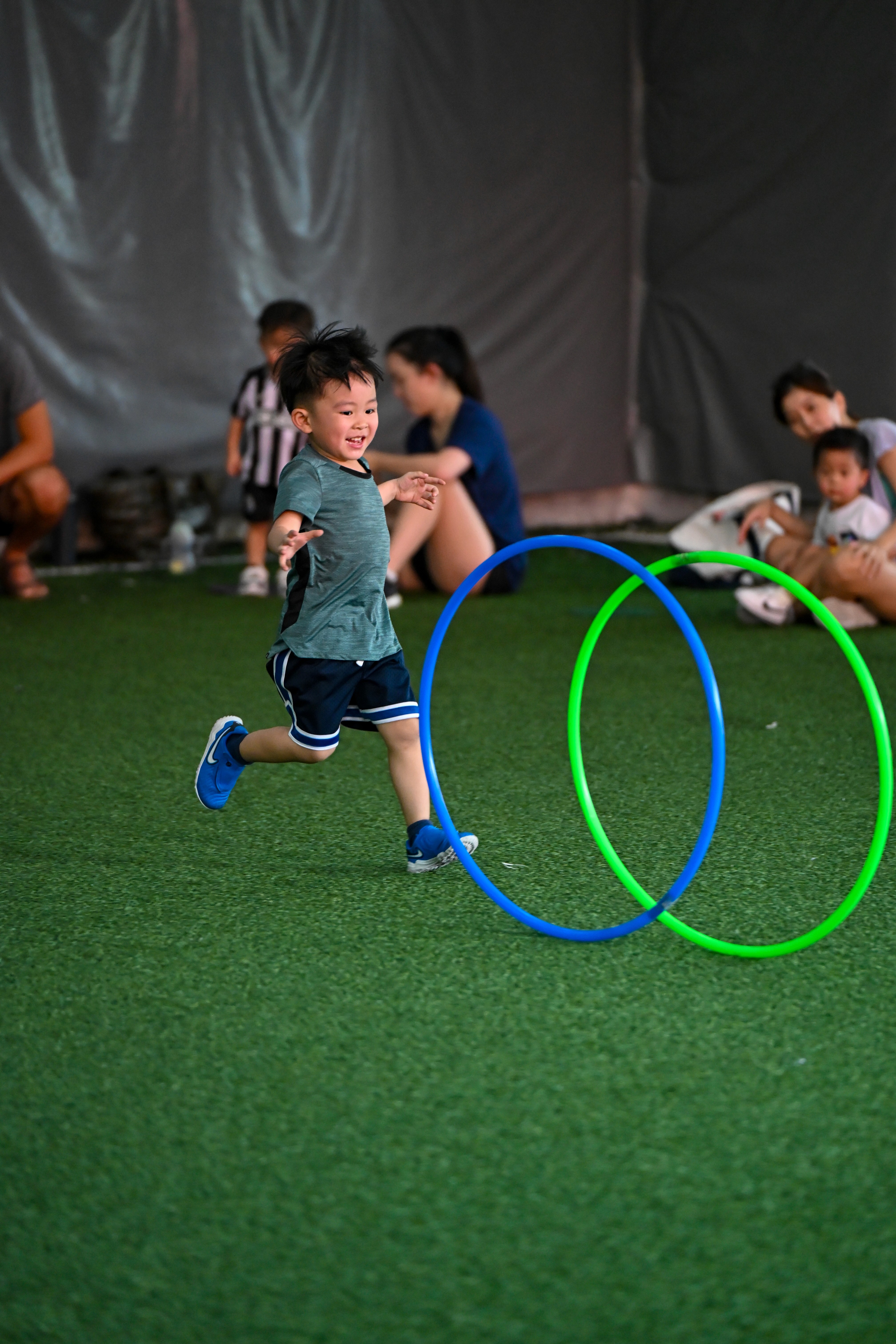
To balance screen time and physical activity, careful planning is essential. Establish a daily routine that includes both structured and free play. For children aged 3-5, aim for at least 35-40 minutes of moderate to vigorous activity each day.
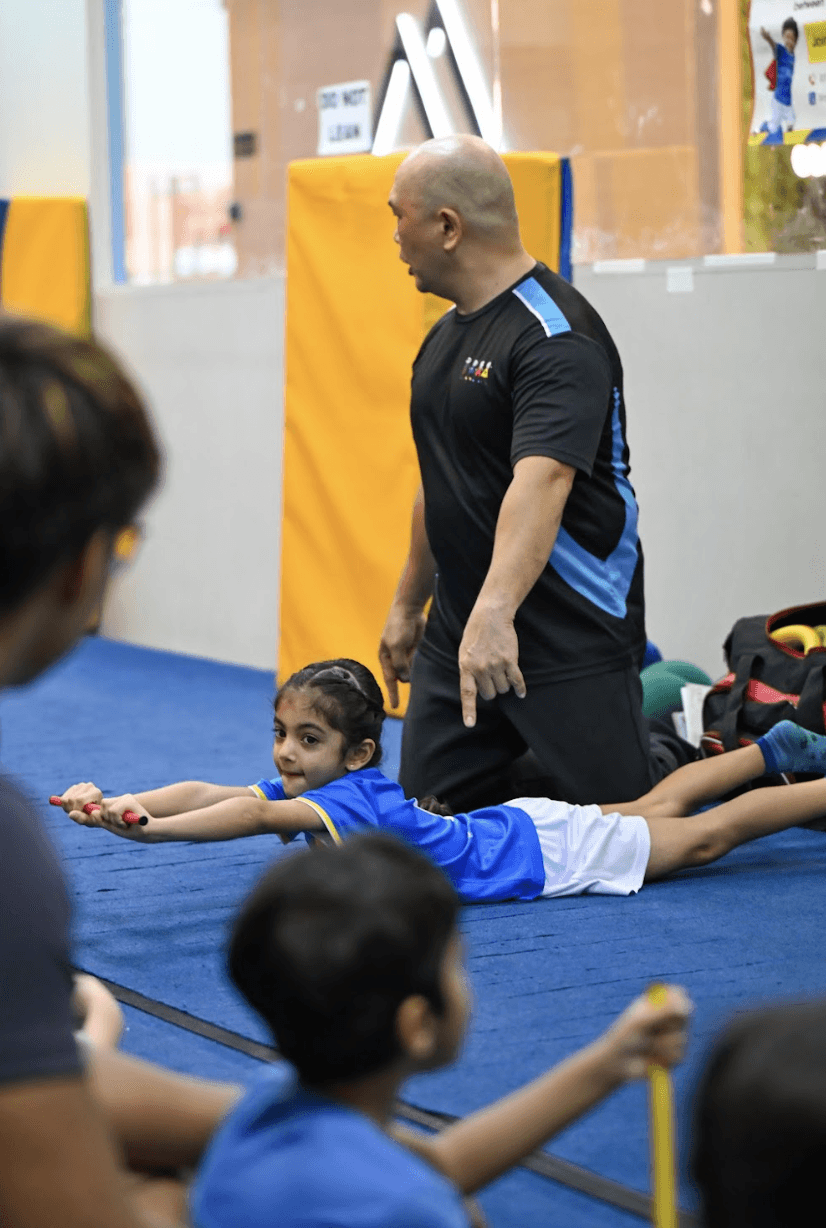
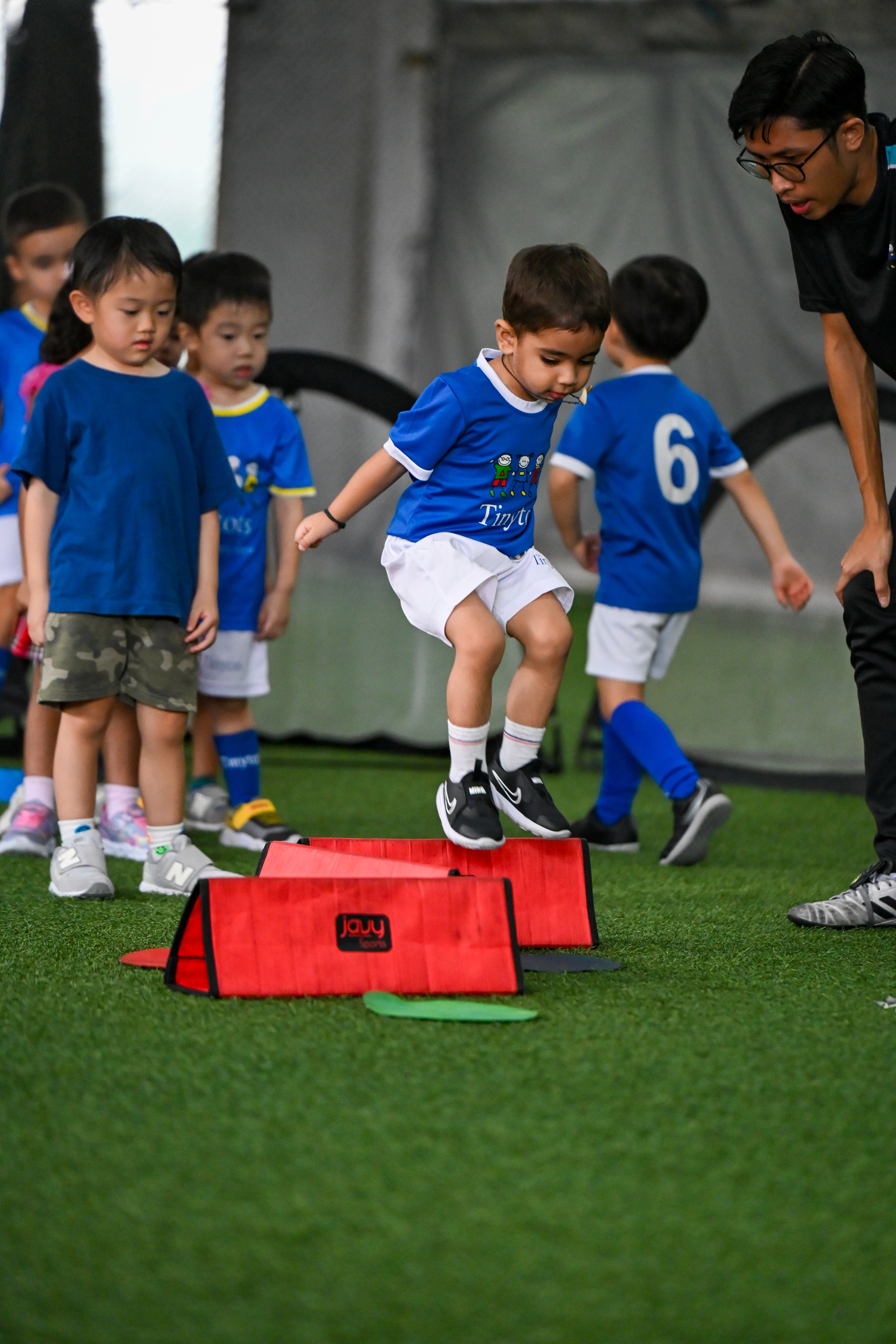
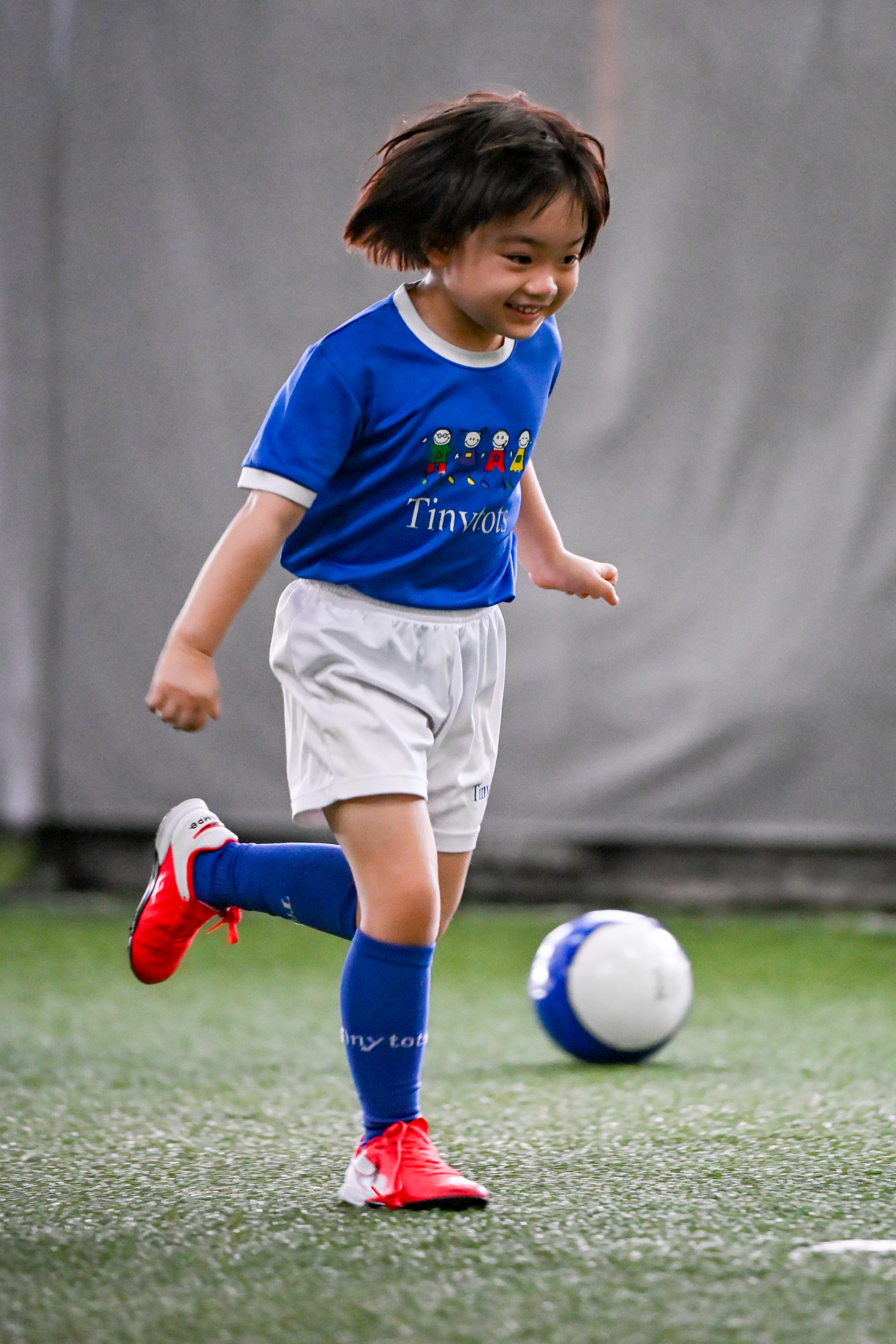
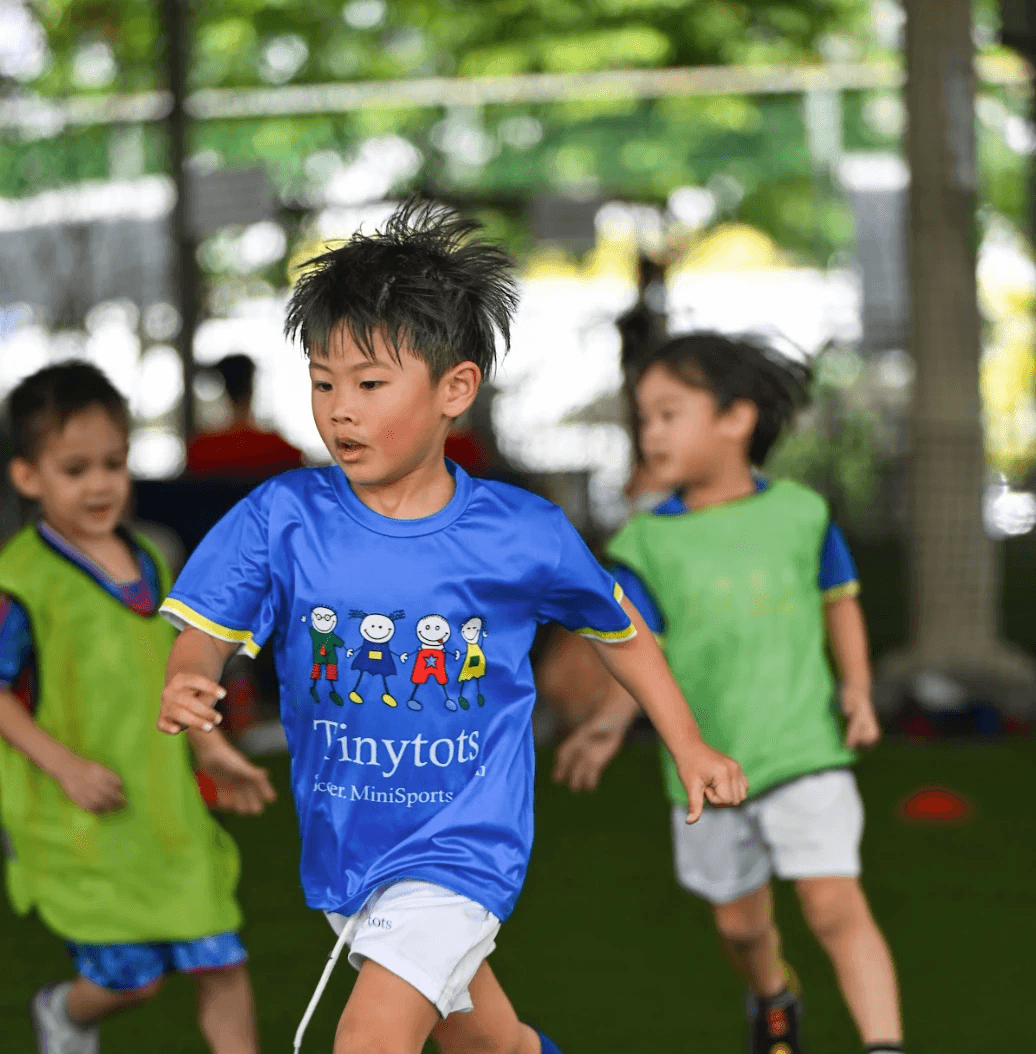
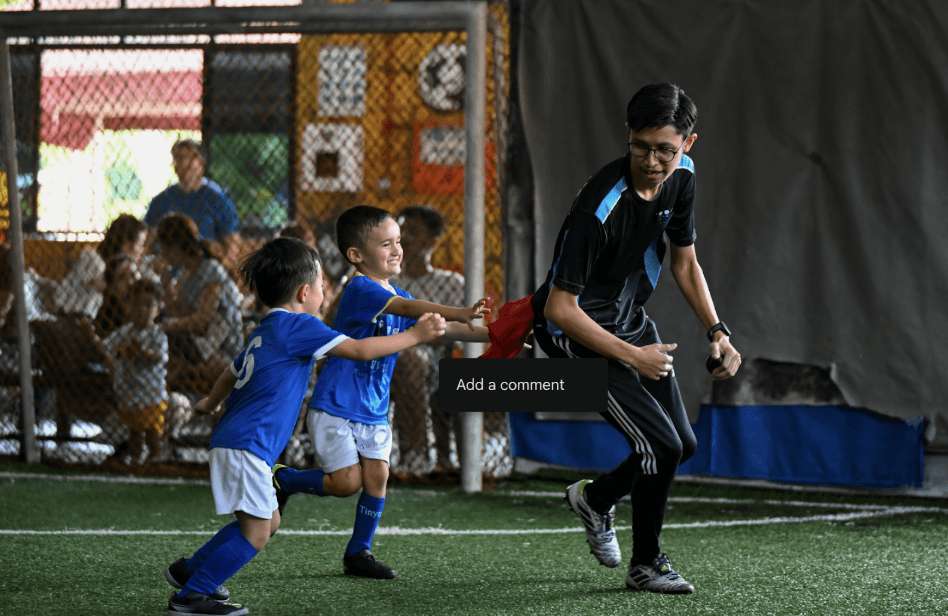
Age-appropriate sports activities should be enjoyable and non-competitive. Mini-soccer teaches basic kicking and teamwork without complex rules.Recreational gymnastics helps children build strength, flexibility, balance, and body awareness through fun, age-appropriate movement and play. Soccer supports the development of coordination, agility, and teamwork while introducing basic ball skills such as kicking and passing in an active and social environment. Rugby focuses on fundamental movement skills like running and evasion, while encouraging confidence, teamwork, and resilience in a safe, non-competitive setting.
At this age, focus on developing basic movement skills and a love for being active, not on creating elite athletes.
The Confidence Connection: How Physical Activity Builds Self-Esteem
Building confidence through movement begins early in life. When young children master tasks like balancing on one foot or catching a ball, their brains release dopamine, creating a cycle of positive reinforcement. Studies show that physical activity in early childhood boosts confidence through "mastery experiences." Each success at a physical skill strengthens brain areas linked to self-belief. Kids who engage in sports often feel more capable and resilient when facing new challenges. Movement helps children understand their bodies and space, enhancing their self-image. Unlike screen time, physical play provides immediate feedback, showcasing their growing skills. For more on how our programs foster this confidence, visit our School Programs.
Screen Time Management Techniques : Setting Healthy Boundaries
Establish clear screen time limits for preschoolers. Create tech-free zones at home, like bedrooms and dining areas, where family time is prioritized. Implement a "digital curfew" at least one hour before bed, as screens can disrupt sleep. Use visual timers to help kids understand time limits. Consider a "token system" where kids earn screen time through activities or chores. Model healthy screen habits yourself—children learn more from your actions than your words. When using screens, choose quality content that encourages interaction. Consistency is key; while exceptions are okay, regular boundaries help kids develop healthy media habits.
The Tinytots Approach to Physical Development : Our Philosophy on Active Learning
At Tinytots, we view physical activity as essential to early childhood growth. We integrate movement with learning through programs that make exercise enjoyable, not forced. Our focus is on basic movement skills that lay the foundation for more complex actions later. To see how we implement this philosophy, check out our Schedule for upcoming classes.
How Our Programs Support Holistic Development
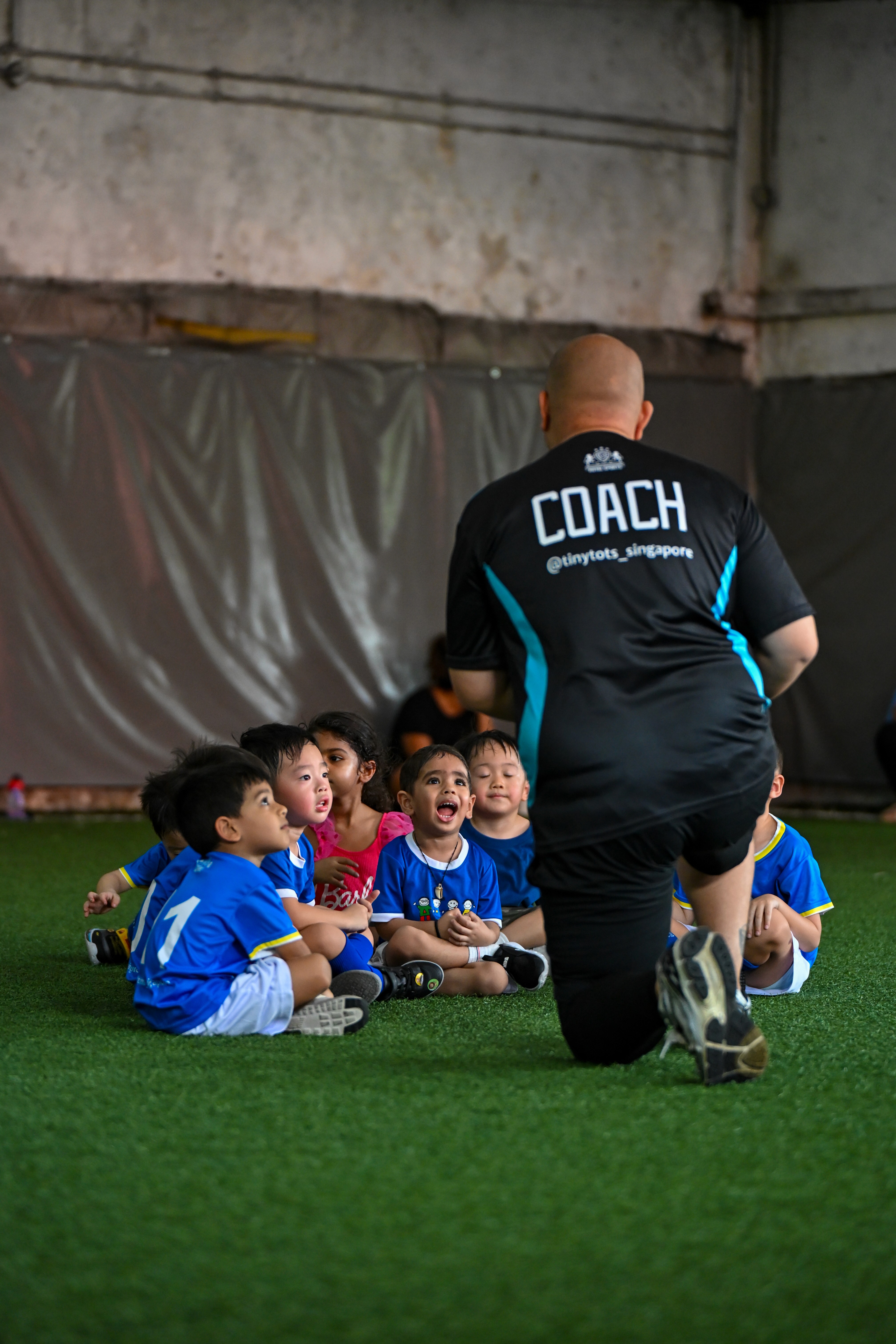
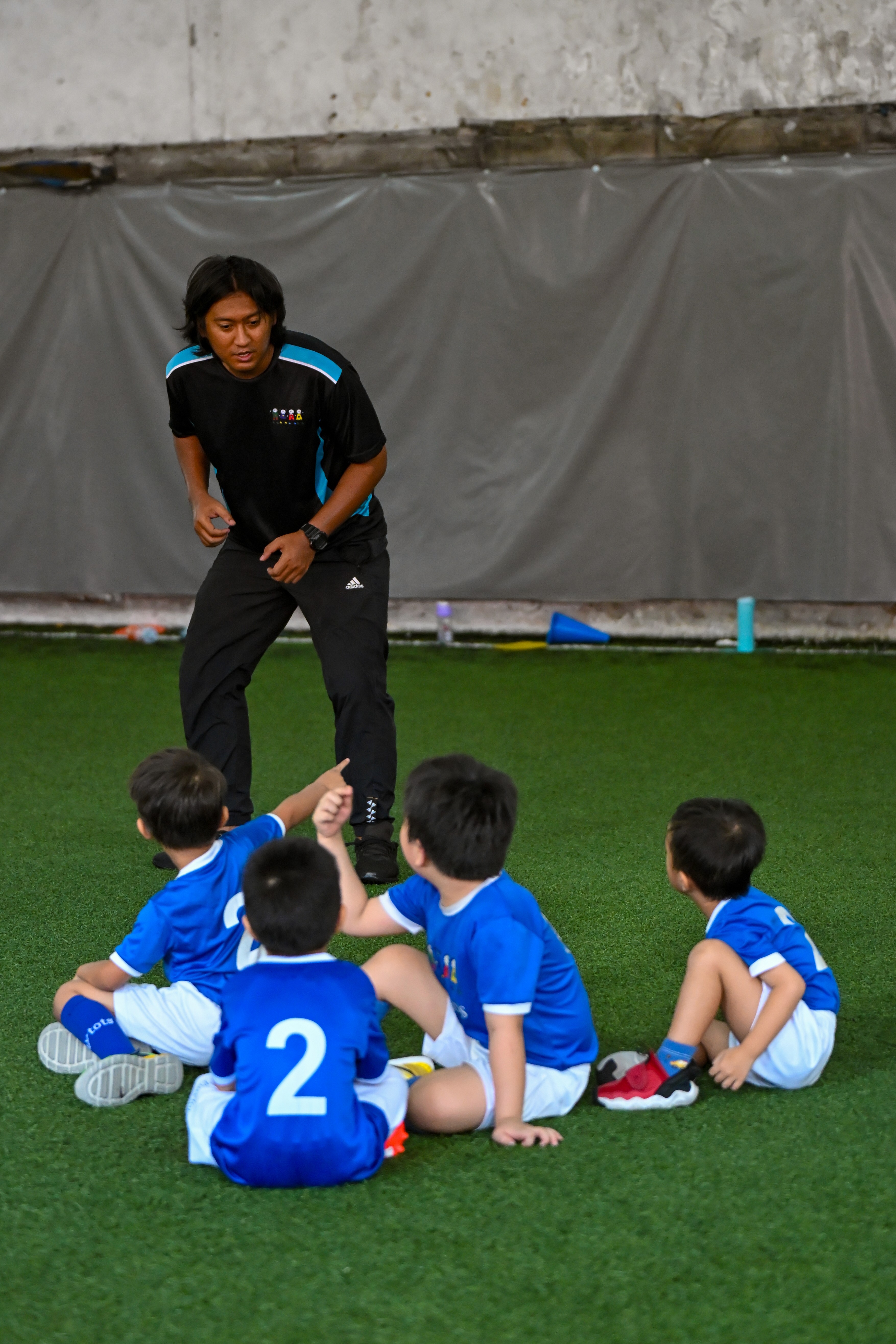
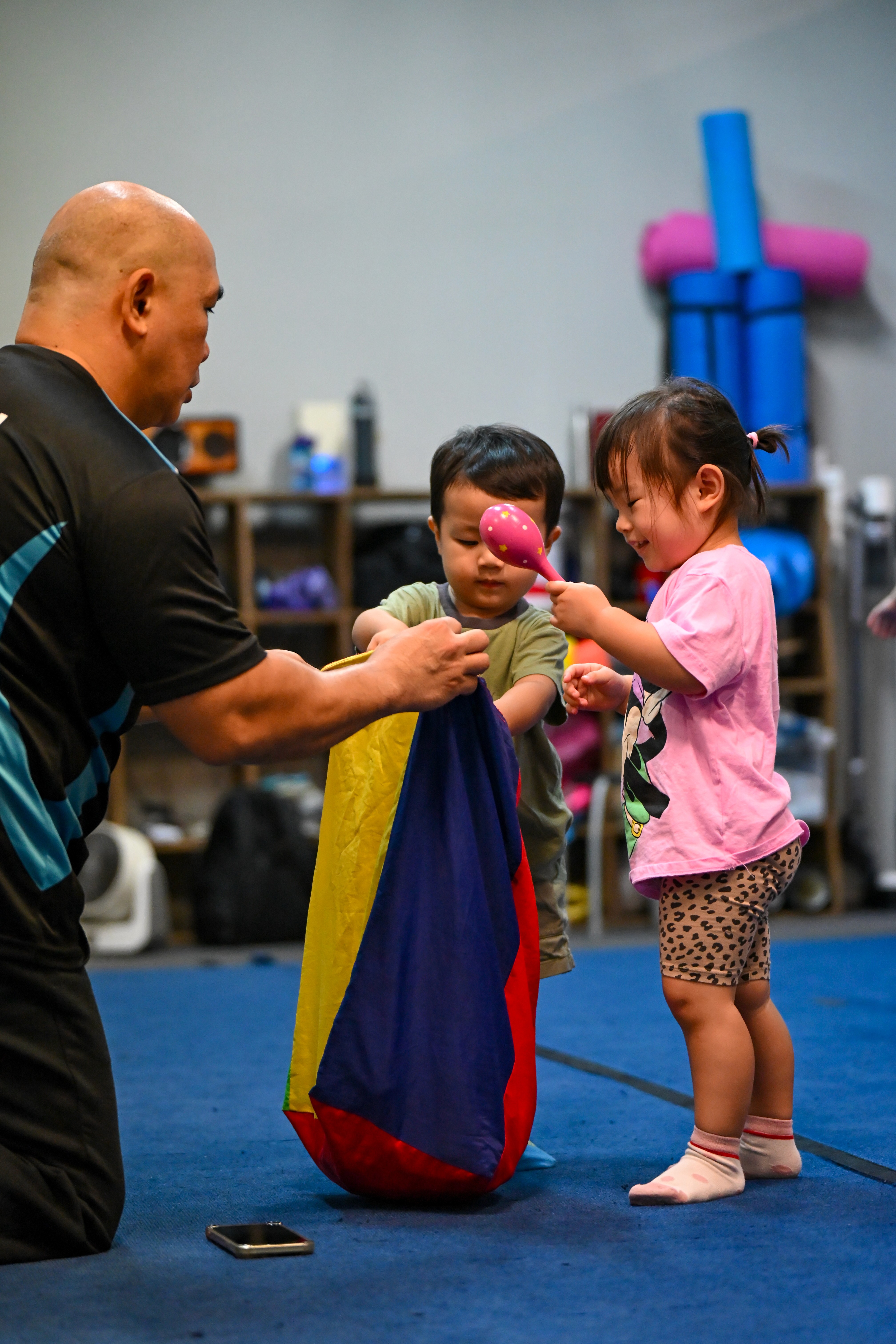
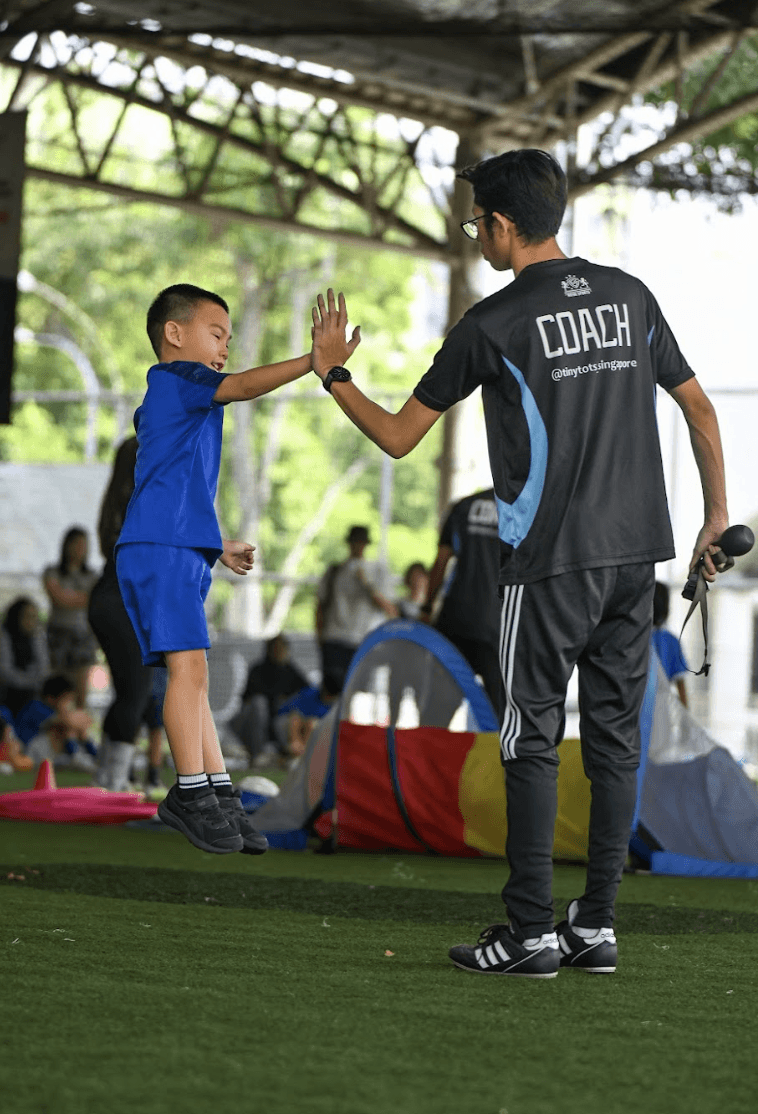
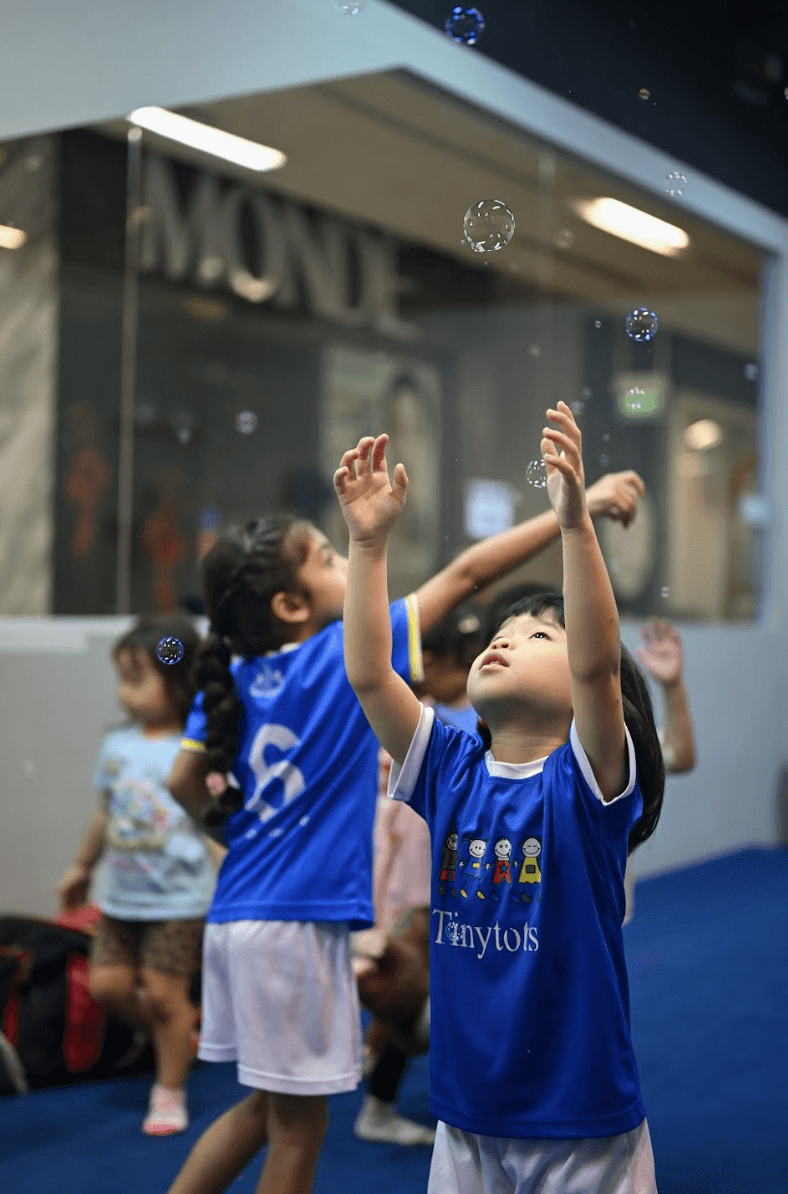
Tinytots sports classes foster physical, cognitive, and social skills. Our instructors create environments where kids learn teamwork while enhancing coordination and strength. Activities are age-appropriate, allowing children to progress at their own pace. We emphasize participation over competition, helping kids build confidence in their physical abilities. This confidence empowers them to tackle new challenges in all areas of life. For more information on our offerings, visit our School Programs.
Conclusion: Raising Active, Confident Children in the Digital Age
Balancing screen time and physical activity is crucial for preschoolers today. While digital media can be educational when used appropriately, active play is vital for healthy development. Parents can support their child's physical, mental, and social growth by adhering to screen time guidelines and encouraging age-appropriate sports. Tinytots sports classes offer a pathway to enhance your child's learning and prepare them for an active life. Our programs help children develop skills that lead to success both in and out of school. By making informed choices about screen time and promoting regular physical activity, we can raise confident, capable, and healthy children ready to thrive in a digital world.


Stay Connected with Starlight Camp
We care about your data in our privacy policy
Share now: