Tinytots Team
06.03.2026
The Importance of Early Sports Development
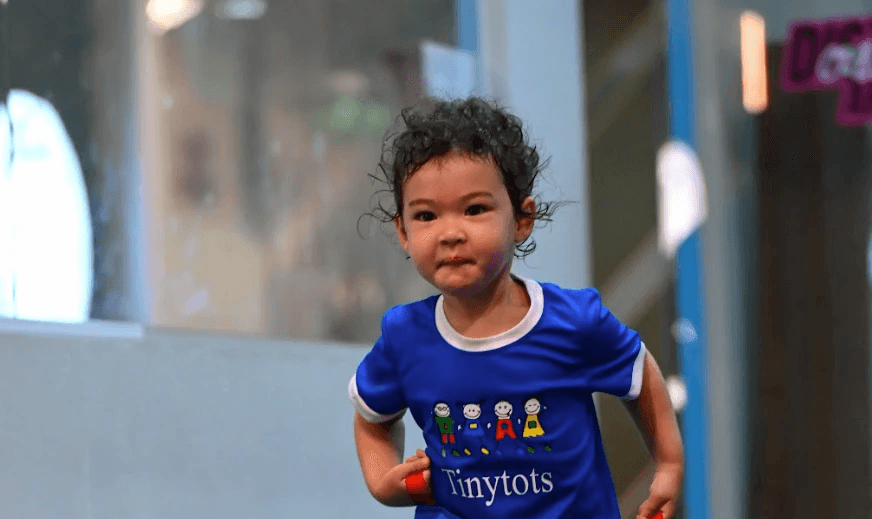
Introducing children to sports and physical activities at a young age lays the foundation for lifelong health. Children aged 2-5 who remain active develop better motor skills, coordination, and overall health. Early sports participation also enhances brain development, emotional regulation, and social skills. At Tinytots, we guide children from simple movements in preschool to more structured activities in kindergarten, helping them become confident and capable while viewing physical activity as a fun and natural part of life. For more information on our class offerings, visit our Schedule page.
Building Foundations: Movement Skills for Preschoolers
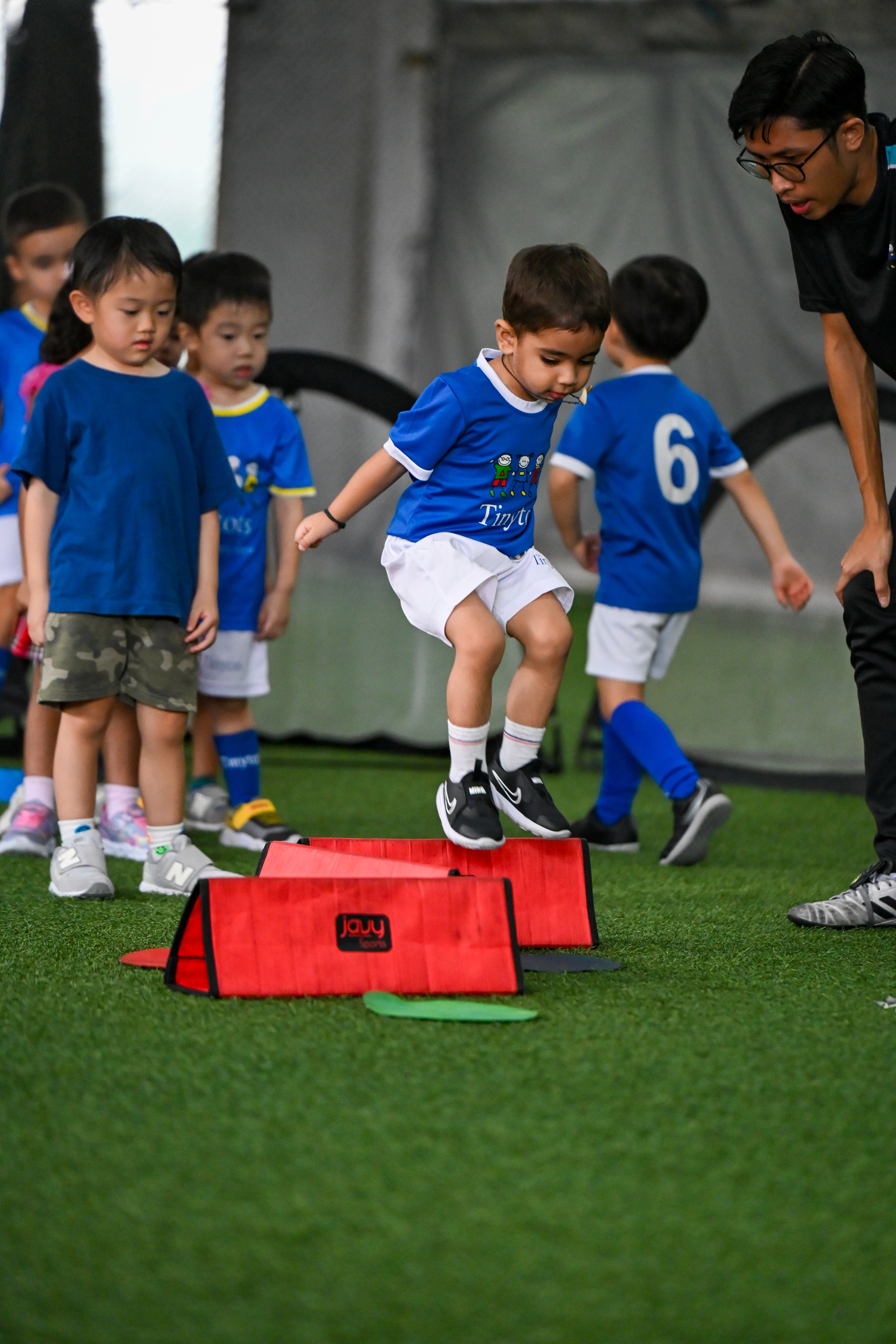
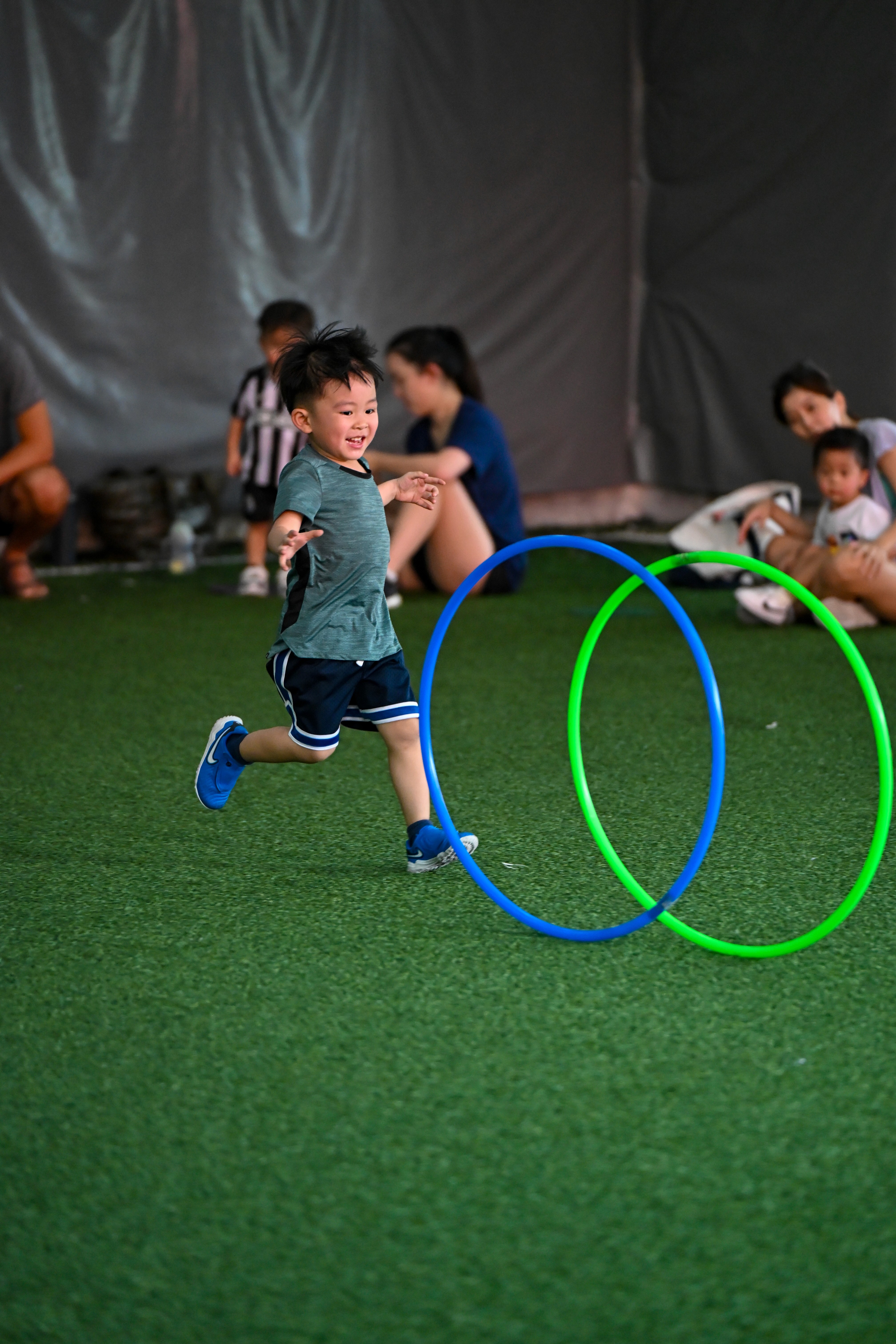
The preschool years (ages 2-6) are crucial for developing basic movement skills. During this time, children learn to run, jump, throw, catch, and balance—skills that form the basis for all future physical activities. Emphasize simple motor development through guided play rather than complex sports rules. Activities like obstacle courses, easy ball games, and playground fun help kids develop body awareness and spatial understanding, preparing them for future sports and building brain connections that support thinking and physical confidence. To learn more about our approach, check out our School Programs page.
Play-Based Learning: Making Sports Fun
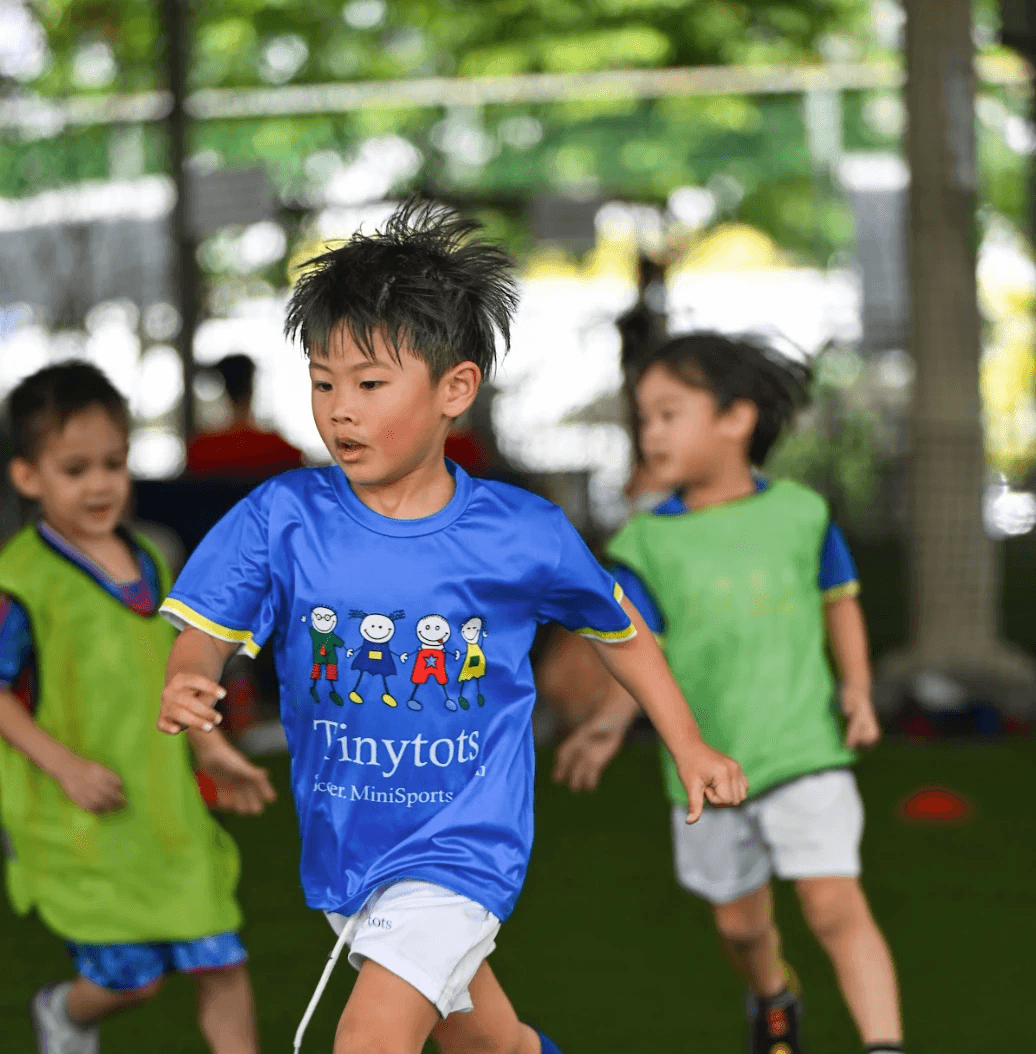
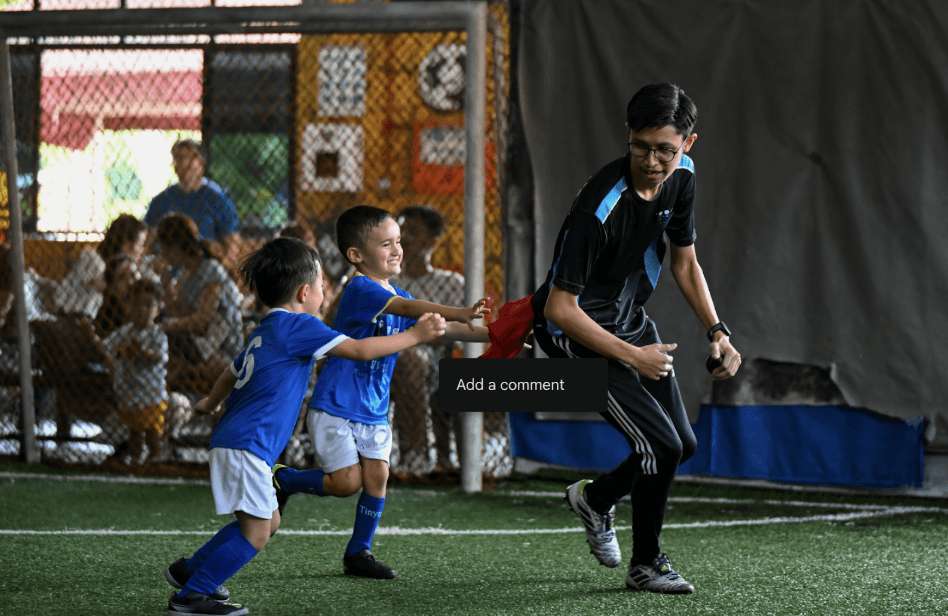
The best way to introduce sports to young children is through play. Focus on imaginative games rather than rules and competition. Turn running into "chase the tail" games or practice throwing at colorful targets. When children associate movement with fun and imagination, they are more likely to enjoy physical activity. Play-based methods also reduce pressure, allowing children to explore movement in a relaxed setting that encourages curiosity and a love for active play. F
Age-Appropriate Activities for Young Children
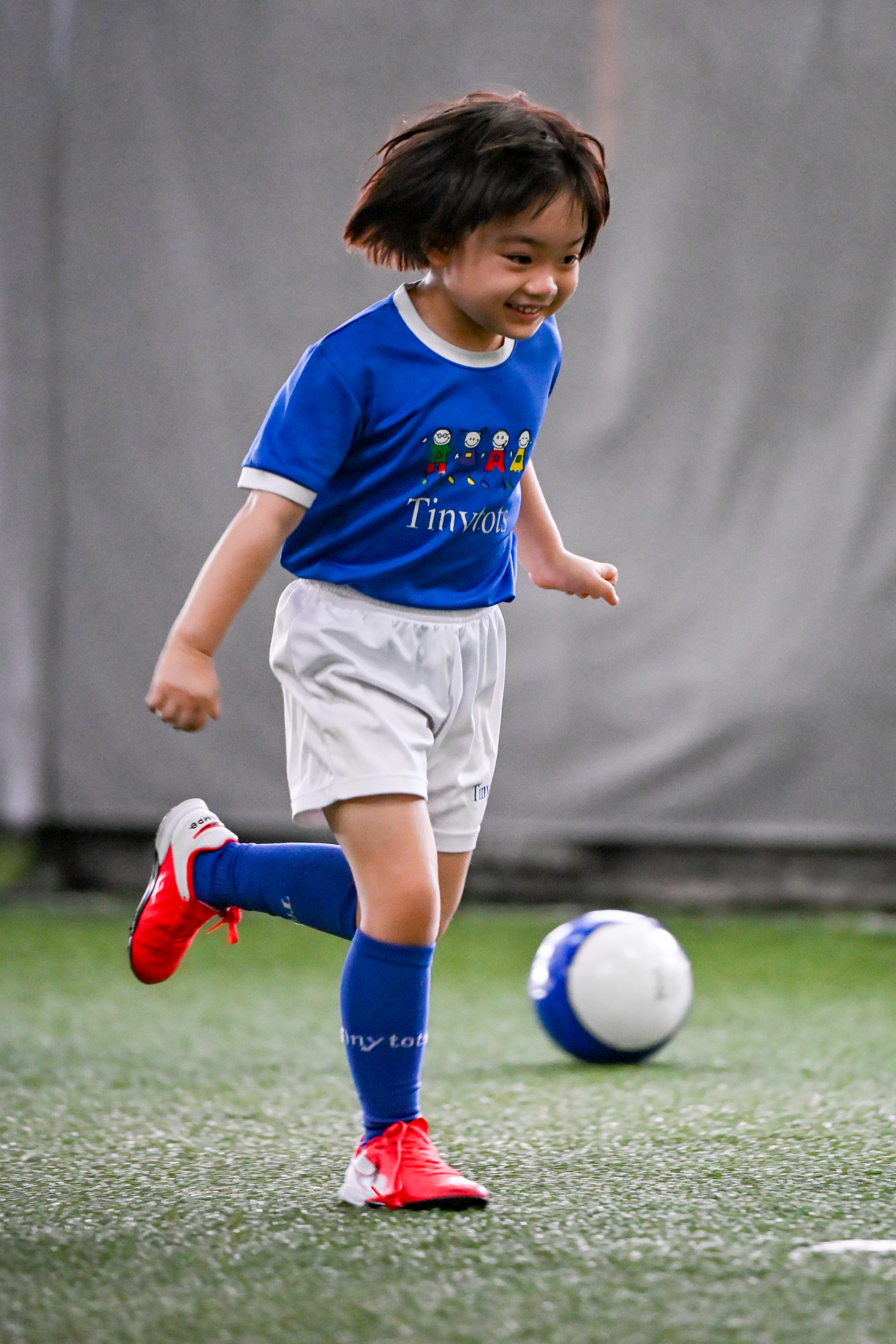
Select sports for preschoolers that match their developmental level. Mini soccer with simple rules, tumbling, and basic ball games are ideal. Avoid sports requiring complex coordination or strict rules. Keep activities 30-45 minutes long to suit their short attention spans, focusing on exploration rather than competition. Young children aren't ready for intense competition. Recreational gymnastics, soccer, and rugby courses offer good challenges and help build basic skills, introducing movement patterns that are fun and easy to do. For more information on our class packages, visit our Frequently Asked questions page.
Building Confidence Through Positive Sports Experiences
Young children build confidence in sports by feeling capable, not just by winning. Emphasize participation and effort over performance or results. Celebrate small achievements like trying new things or practicing regularly. Use specific praise, such as "Great job keeping your balance!" instead of general compliments. Adapt activities to match each child's skill level, creating opportunities for success. When setbacks occur, help children view them as learning moments, supporting resilience and a positive relationship with sports. For more insights on fostering a supportive environment, check our Schedule for the timelines.
Developing Social Skills Through Team Activities
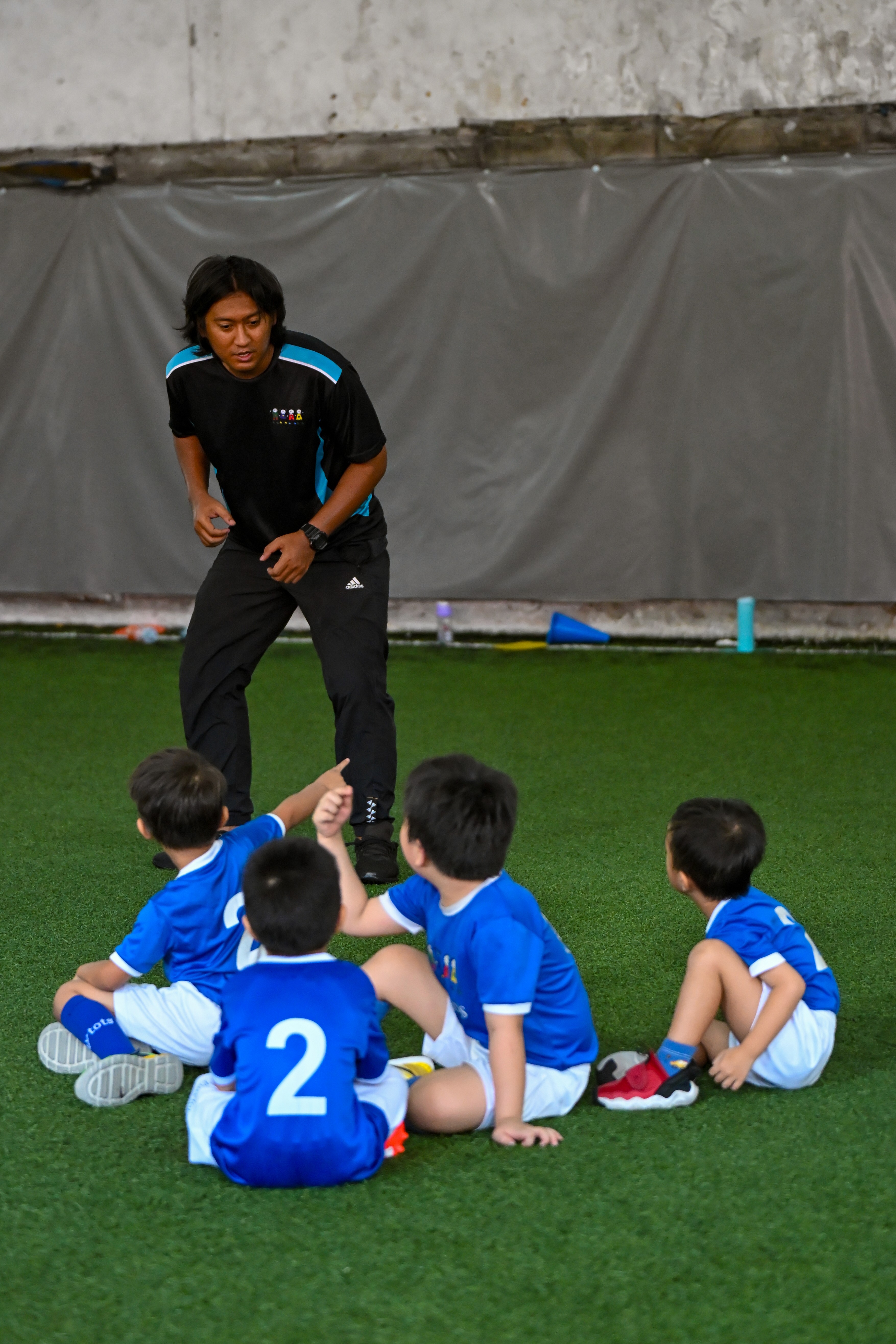
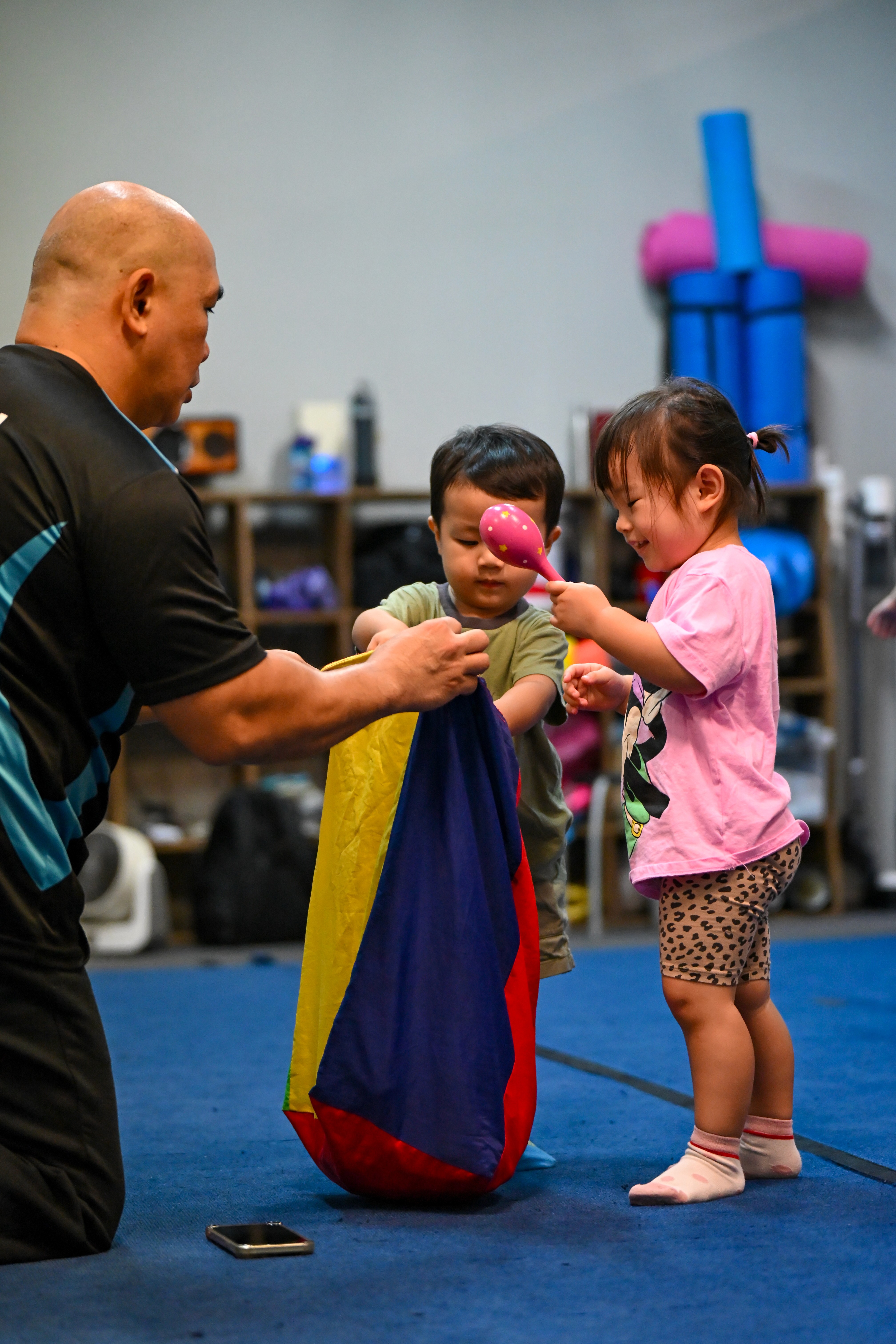
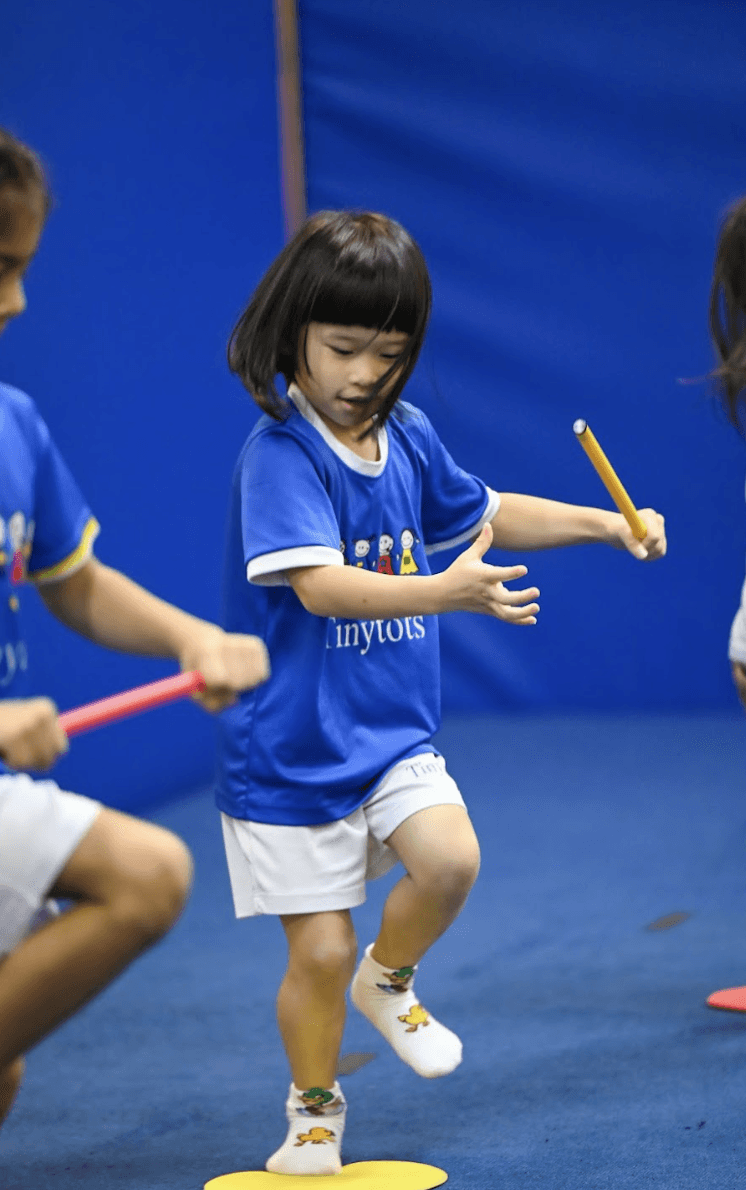
Team sports help young children develop important social skills. In group activities, preschoolers learn to share equipment, take turns, and communicate with others. Simple games like relay races or mini soccer teach them to work together toward common goals. These activities allow children to practice listening, following directions, and expressing their needs. Even at this young age, playing in teams helps children understand different roles in a group, preparing them for more complex social interactions in kindergarten and beyond.
Introducing Discipline and Routine
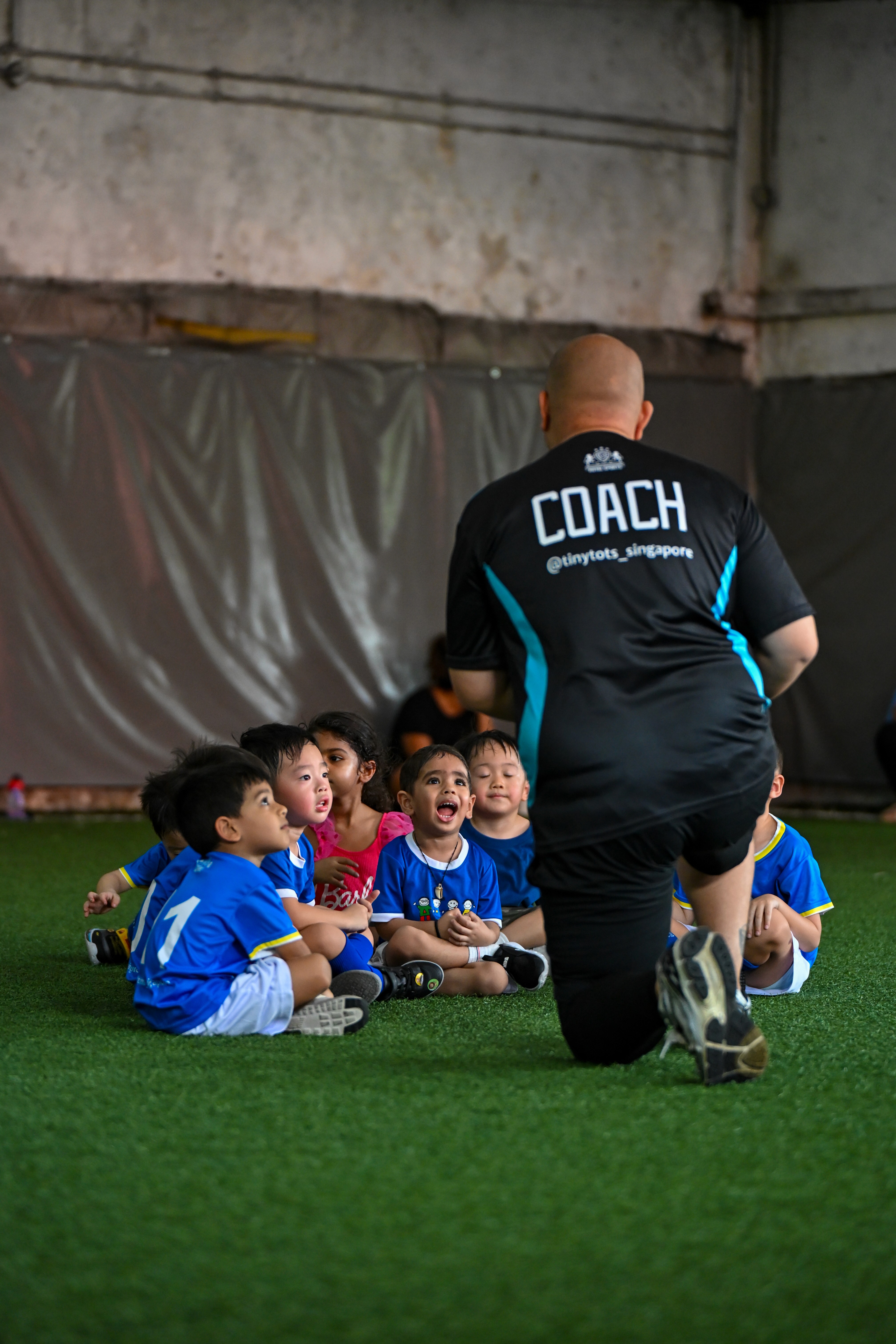
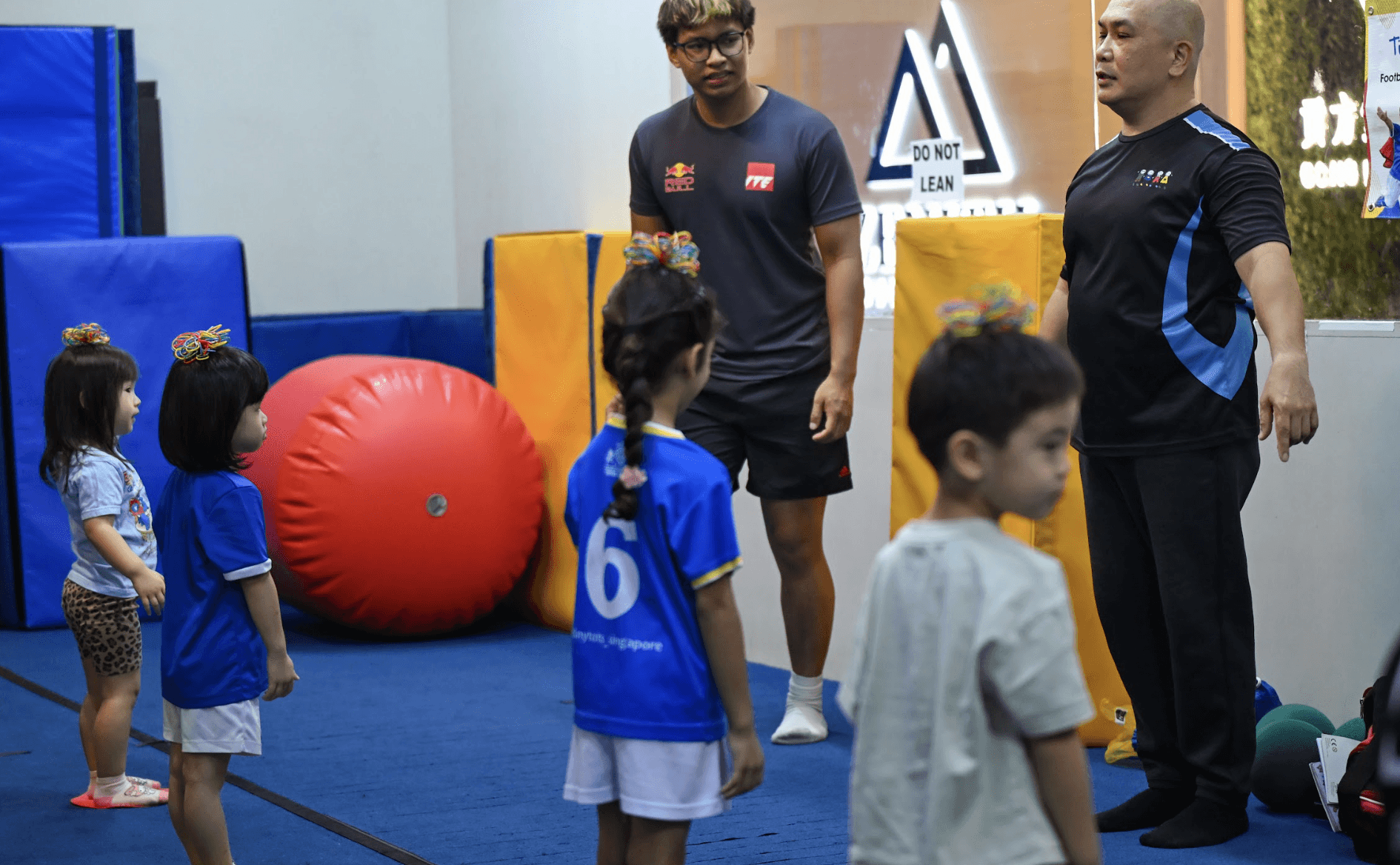
Young children thrive with gentle structure in their activities. Simple rules like lining up, waiting for turns, or putting away equipment teach preschoolers self-control and responsibility. Consistent sports routines—such as warm-ups before activities and cool-downs afterward—teach children to follow steps and understand limits. These early lessons in discipline show how structure supports fun and safety. As they master these basic routines, they build focus and attention skills that will benefit them in kindergarten sports programs. For more on our structured approach, check our Class Schedule page.
The Kindergarten Transition: Structured Sports Activities
As children enter kindergarten, they are ready for organized sports. This is an ideal time to try programs like basic gymnastics, or rugby. Kindergartners can follow simple rules, making team sports more accessible. Activities should focus on fun and participation rather than competition, with short practice times to suit their attention spans. Many schools and community centers offer sports for kindergartners with special equipment and simple rules, building on preschool skills and preparing children for more complex sports.
Physical Literacy: Core Skills for Future Success
Physical literacy forms the foundation for playing sports. In preschool and kindergarten, focus on basic movement skills: balance, coordination, agility, and spatial awareness. These skills are the building blocks for more complex sports skills. Activities like obstacle courses, balance beams, catching games, and rhythmic movements help develop these abilities. Children who cultivate strong physical literacy early are more likely to participate in various sports with confidence, building well-rounded physical skills instead of specializing too soon.
The Role of Parents in Early Sports Development
Parents play a crucial role in nurturing young athletes. Your support influences your child's perception of physical activity. Praise their effort instead of pointing out mistakes, and celebrate small wins. Engage in family activities like bike rides, walks, or backyard games to model an active lifestyle. Pay attention to what your child enjoys and encourage exploration. Your reactions to their successes and setbacks shape their feelings about sports.
Creating Lifelong Healthy Habits
Starting sports in early childhood establishes habits that can last a lifetime. When kids find joy in movement before age six, they are more likely to remain active as they grow. These early experiences shape their attitudes toward physical activity as they become teens and adults. By making sports and movement a fun part of daily life, parents and teachers help kids view exercise as enjoyable rather than a chore.
Why is a Balanced Approach to Early Sports Needed?
Balancing early childhood sports is essential for long-term success. Begin with fun rather than competition, focusing on activities that suit their age, build confidence, and teach basic skills. This sets the stage for a lifetime of physical activity. Each child develops at their own pace—some enjoy team sports, while others prefer solo activities. The goal is not to create mini-athletes but to nurture healthy, confident children who enjoy and excel in physical activities throughout their lives. For more information on our programs, visit our Schedule page.


Stay Connected with Starlight Camp
We care about your data in our privacy policy
Share now: